

Buying a Car as
a High-Mileage Delivery Driver
As a delivery driver, your car is more than just transportation; it is your primary tool for earning an income. When you put on high miles every day, the criteria for choosing the right vehicle change dramatically. You need a car that is not only dependable and fuel-efficient but also affordable to maintain and comfortable for long hours behind the wheel. The constant stop-and-go driving, frequent idling, and sheer volume of miles can take a toll on any vehicle. That is why selecting a used car with a proven track record for durability is a critical business decision. We understand the unique demands of delivery work and specialize in helping drivers find vehicles that can handle the daily grind. Our inventory is carefully selected to include options that balance performance, low operating costs, and reliability, so you can focus on maximizing your earnings without worrying about your ride.
Finding the right vehicle is the first step. The next is securing financing that understands the unique income structure of a delivery driver. Our team is experienced in working with individuals who have non-traditional or fluctuating income. We look at your whole financial picture to find a path toward getting you behind the wheel of a car that works as hard as you do. Explore our used inventory online to see the types of sedans, hatchbacks, and crossovers that are popular with other high-mileage drivers in the area.
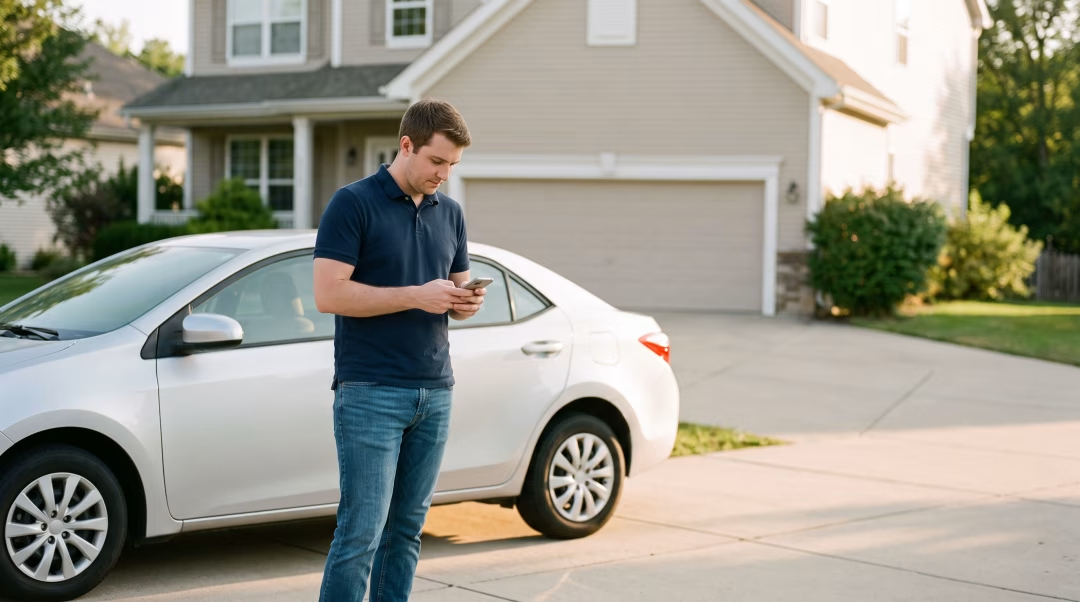
Choosing Your Business Partner: The Best Used Cars for Delivery Work
When your livelihood depends on your vehicle, choosing a used car is a major business investment. For food delivery, package delivery, and rideshare drivers, the ideal vehicle is a blend of efficiency, durability, and practicality. The challenge is finding a car that can withstand the tens of thousands of miles you will add each year while keeping your operational costs as low as possible. This guide will walk you through the essential factors to consider, the best types of vehicles for the job, and how to approach the buying process when you are a high-mileage professional.
Key Features for a High-Mileage Delivery Vehicle
Forget flashy features and raw horsepower. Your focus should be on the practical attributes that translate into more money in your pocket at the end of the week. When you browse our used inventory, keep these critical factors in mind:
- Exceptional Fuel Economy: Fuel is likely your biggest expense. A car with a high MPG rating, especially in city driving, is non-negotiable. Every mile per gallon you save adds up significantly over a year. Researching the best used cars for good gas mileage is a great place to start.
- Proven Reliability and Low Maintenance Costs: Downtime is lost income. Look for models from brands known for their longevity, such as Toyota, Honda, and certain models from Hyundai or Kia. Research common problems for any specific model you consider. A vehicle that is inexpensive to repair with readily available parts will save you headaches and money.
- Driver Comfort and Ergonomics: You will be spending hours in the driver's seat. A supportive seat, a comfortable driving position, and easy-to-use controls are essential for preventing fatigue. Features like a good climate control system are crucial for staying comfortable during long shifts in the Texas heat.
- Practical Cargo Space: Depending on what you deliver, cargo capacity and accessibility are key. A hatchback offers more versatile space than a sedan's trunk. For larger items, a small crossover or even a minivan might be necessary. Consider how easy it is to load and unload items quickly.
- Durability of Wear-and-Tear Items: High-mileage driving wears out components like brakes, tires, and suspension parts faster than average. Models known for durable components can lower your long-term running costs. When you take a test drive, pay close attention to brake feel and suspension performance.
Top Vehicle Types for Delivery Drivers
While any car can technically be used for delivery, certain body styles are much better suited for the demands of the job. Here is a look at the most popular choices:
- Compact Sedans: Often the go-to choice, and for good reason. Models like the Toyota Corolla, Honda Civic, and Hyundai Elantra typically offer fantastic fuel economy, excellent reliability, and low repair costs. Their smaller size makes them easy to maneuver and park in tight urban environments. While their trunks are less flexible than a hatchback, they are usually sufficient for most food and small package deliveries.
- Hatchbacks: A hatchback, like a Honda Fit, Toyota Prius, or Ford Focus, offers the efficiency of a small car with the cargo flexibility of an SUV. The ability to fold down the rear seats creates a large, open cargo area perfect for bulky items or large catering orders. This versatility makes them a top contender for drivers who need to adapt to different types of deliveries. You can learn more about the differences in our guide to hatchback vs sedan models.
- Small Crossover SUVs: Vehicles like the Honda CR-V, Toyota RAV4, or Ford Escape provide a higher driving position for better visibility and the option of All-Wheel Drive (AWD), which can be helpful in heavy rain. They offer ample cargo space and a more robust suspension, but this often comes at the cost of slightly lower fuel economy compared to a sedan or hatchback.
Navigating Financing as a Gig Worker
One of the biggest hurdles for independent contractors and delivery drivers can be auto financing. Traditional lenders often prefer to see W-2s and consistent, predictable pay stubs, which does not reflect the reality of gig work. This is where in-house financing, also known as Buy Here Pay Here, can be a valuable tool. We work directly with our customers, allowing us to take a more holistic view of your income and ability to make payments. We understand that your income can vary from week to week. By working with our in-house financing team, you have the opportunity to explain your work and demonstrate your earnings history. The key is to be prepared. Bring records of your earnings from your delivery apps, bank statements, and any other documentation that shows your income stream. This helps us understand your financial situation and work toward a suitable arrangement.
The Importance of a Thorough Inspection
When buying a car that will be subjected to heavy use, a meticulous inspection is paramount. While we take pride in the quality of our vehicles, being an informed buyer is always your best strategy. Start by reviewing the vehicle history report, which can reveal past accidents, title issues, or reported maintenance. However, the most crucial step is the test drive. Do not just take a short loop around the block. Try to simulate your work conditions. Drive it in stop-and-go traffic, take it on the highway, and test it in a tight parking lot. Listen for any strange engine noises, check the air conditioning, and see how the brakes respond under pressure. For more tips, check our guide on what to check on a used car test drive. Taking these extra steps can help you choose a vehicle that is ready for the rigors of high-mileage work from day one.
What is the best type of used car for food delivery drivers?
For most food delivery drivers, the best used car is a reliable and fuel-efficient hatchback or compact sedan. Models like the Toyota Prius, Honda Fit, or Toyota Corolla are popular choices. They offer excellent gas mileage for city driving, have a reputation for dependability, and feature low maintenance costs. The versatility of a hatchback is especially useful for larger orders, while a compact sedan is easy to park and navigate in busy areas.
Are hybrid vehicles a good investment for high-mileage driving?
Yes, used hybrid vehicles can be an excellent investment for delivery drivers. Their superior fuel economy in stop-and-go city traffic can lead to substantial savings on gas over time. While the battery is a long-term maintenance consideration, many models like the Toyota Prius have proven their battery packs can last for hundreds of thousands of miles. The fuel savings often outweigh the potential for future battery-related service costs.
How can I get financing for a car with income from apps like DoorDash or Uber Eats?
Financing with gig work income is possible, especially with an in-house financing dealership. Unlike traditional banks, we can often consider your overall financial health. You should gather documents that prove your income, such as several months of bank statements showing deposits from the apps, and your annual earnings statements. Being organized and showing a consistent history of earnings can significantly help your case.
Is it better to buy a newer car with 80,000 miles or an older, well-maintained car with 120,000 miles?
This often depends on the specific model and its maintenance history. A 10-year-old car known for its bulletproof reliability, like a Toyota Camry, with 120,000 miles and a complete service record might be a better choice than a 5-year-old car from a less reliable brand with 80,000 miles and an unknown history. The key is maintenance. A well-cared-for high-mileage car is often a smarter buy than a lower-mileage car that has been neglected.
What kind of extra maintenance should I budget for with a delivery vehicle?
Because you are driving much more than the average person, you will need to perform routine maintenance more frequently. Plan for oil changes every 3,000 to 5,000 miles, more frequent tire rotations to ensure even wear, and brake pad replacements sooner than a typical driver. It is wise to set aside a portion of your weekly earnings into a dedicated fund for both expected maintenance and unexpected repairs. This proactive approach helps you keep your high-mileage car reliable.
