

Can You Trade In a
Car with Hail Damage in Texas?
Texas weather is unpredictable, and a sudden hailstorm can leave your vehicle covered in unsightly dings and dents. If you were planning to upgrade your ride, you might be wondering, "Can you trade in a car with hail damage in Texas?" The answer is a resounding yes. Many drivers in the Dallas-Fort Worth area find themselves in this exact situation, and dealerships are well-equipped to handle it. While the damage will naturally affect your vehicle's final trade-in value, it does not disqualify it from being a valuable part of your next vehicle purchase. We specialize in assessing vehicles in all conditions, providing a straightforward and transparent appraisal process. Our team understands how to evaluate the extent of the damage and present you with a fair offer that can be applied directly toward a quality vehicle from our used inventory, helping you get back on the road in a car you love without the stress of arranging for repairs yourself.
Don’t let a few dents from a Texas storm stop you from getting the vehicle you need. Trading in your hail-damaged car is often a more convenient and efficient option than navigating private sales or dealing with complex insurance claims and repairs. We see the potential in every vehicle and work to give you the maximum possible value for your trade. This value can serve as a significant down payment, making your next purchase more affordable. Visit one of our locations to get a no-obligation appraisal today.
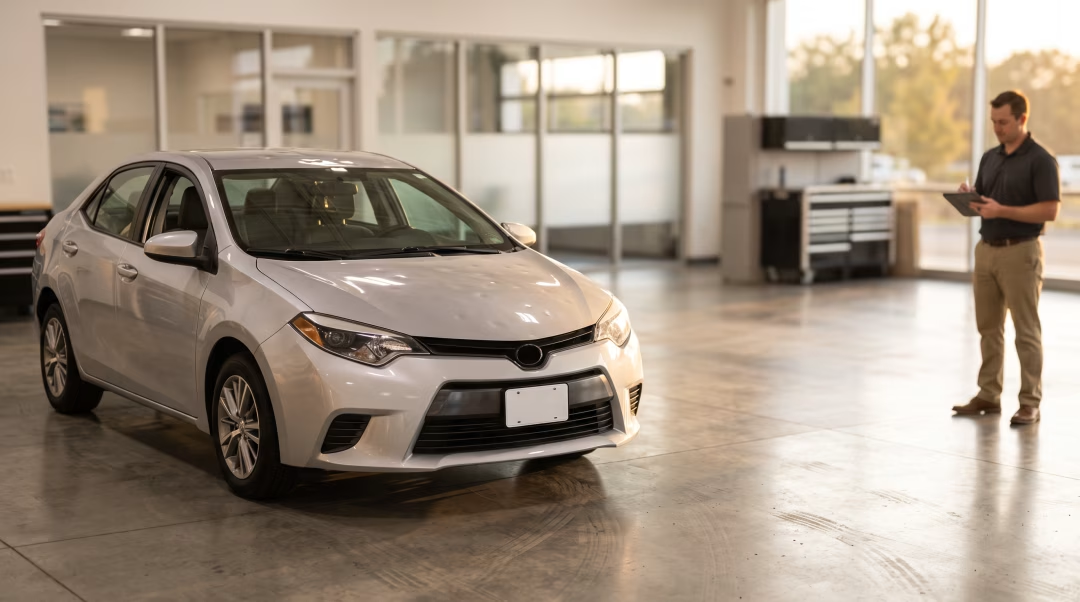
Understanding the Trade-In Process for Hail-Damaged Vehicles
In North Texas, hail is a fact of life. A storm can roll through quickly, and suddenly your car, truck, or SUV looks like a golf ball. This cosmetic damage is frustrating, but it doesn't have to derail your plans to buy another vehicle. At our dealership, we regularly help customers trade in vehicles with hail damage. The key is to understand how the damage impacts value and what the process looks like.
When you bring your vehicle to us, our experienced appraisers conduct a thorough inspection. They look beyond the hail damage to assess the entire vehicle, just as they would with any other trade-in. They will consider the make, model, year, mileage, mechanical condition, and interior state. The hail damage is then evaluated as a separate factor. This process is much more straightforward than trying to sell the car privately, where potential buyers may be scared off by the cosmetic flaws or try to lowball you significantly.
How We Calculate the Value of a Car with Hail Damage
The main question on every owner's mind is, "How much will the hail damage lower my trade-in value?" The reduction in value is primarily based on the estimated cost of repair. Our appraisers are knowledgeable about the methods and costs associated with fixing hail damage. Here is what they look for:
- Severity and Size of Dents: Small, shallow dings are much easier and cheaper to fix than large, deep dents that may have cracked the paint.
- Number of Dents: A car with a few dozen dings will cost less to repair than one with hundreds covering every panel.
- Location of Damage: Damage to flat panels like the hood, roof, and trunk lid is typically repaired using Paintless Dent Repair (PDR). Dents on body lines or reinforced areas can be more complex and costly to fix.
- Associated Damage: The appraiser will also check for cracked windshields, broken mirrors, or damaged trim pieces, which add to the total repair cost.
Because we work with vehicles in various conditions, we have relationships with local PDR specialists and body shops, allowing us to get repairs done at a volume cost. This means we can often offer you a better value for your hail-damaged trade than you might expect, as our cost to recondition the vehicle is lower than what an individual would pay. For more general information on how we determine a vehicle's worth, you can read about how trade-in value is calculated on our blog.
Should You File an Insurance Claim Before Trading In?
This is a common dilemma for drivers with comprehensive auto insurance. While comprehensive coverage typically covers hail damage, deciding whether to file a claim depends on your specific situation. Consider these points:
- Your Deductible: If your deductible is high (e.g., $1,000) and the damage is moderate, the insurance payout may not be much higher than the deductible itself. In this case, filing a claim might not be worth the potential increase in your insurance premiums.
- The Hassle Factor: Filing a claim involves getting estimates, dealing with adjusters, and arranging for repairs. Trading the vehicle in "as-is" allows you to bypass this entire process. You simply accept a lower trade-in value and move on.
- Potential for a Salvage Title: In severe cases, an insurance company might declare the vehicle a total loss if the repair cost exceeds a certain percentage of its value. This could result in a salvage title, which can complicate things. We can often still accept a trade-in with a salvage title in Texas, but it is something to be aware of.
Ultimately, the choice is yours. Some customers prefer to get the insurance check and then trade the vehicle in, potentially using the payout as an additional down payment. Others find it simpler to let us handle it. We can provide a trade-in offer so you have a clear figure to help you make an informed decision.
The Advantage of Trading In vs. Selling Privately
Selling a car with known damage to a private buyer can be a significant challenge. Most private buyers are looking for a turn-key vehicle and are hesitant to take on a project. They may lack the expertise to accurately estimate repair costs and will likely offer you a very low price to compensate for the risk. Furthermore, you will have to spend time listing the car, fielding calls and messages, and meeting with potential buyers, all with no certainty of a sale.
Trading in your vehicle at our dealership offers several key advantages:
- Speed and Convenience: The entire process can be completed in a single visit. You get an offer, finalize the paperwork, and can drive off in your next car the same day.
- Tax Savings: In Texas, you only pay sales tax on the difference between the price of the car you are buying and the value of your trade-in. This can save you hundreds of dollars. Learn more about how a trade-in affects your sales tax.
- A Clear Path to Financing: Your trade-in value, even with deductions for hail damage, acts as your down payment. This lowers the amount you need to finance, potentially leading to more favorable monthly payments. You can even get pre-qualified for financing online before you visit.
Frequently Asked Questions About Trading a Hail-Damaged Car
Is it better to fix hail damage before trading my car in?
In most cases, it is not financially advantageous to repair hail damage yourself before trading in. Dealerships can typically perform the repairs for a much lower cost than an individual. You are unlikely to recoup the full amount you spend on repairs in the form of a higher trade-in value. It is usually best to let the dealership assess the vehicle as-is.
Will my car be considered a total loss due to hail damage?
A vehicle is typically declared a total loss by an insurance company when the cost to repair it exceeds 75% to 100% of its actual cash value (ACV). For most newer vehicles, cosmetic hail damage is unlikely to result in a total loss. However, on an older, lower-value car, severe hail damage could potentially lead to this outcome.
Can I still use an online tool to value my trade if it has hail damage?
Yes, you can and should use our online appraisal tool as a starting point. These tools provide an estimate based on your car's year, make, model, and mileage. When you fill out the form, be sure to note the vehicle's condition accurately. The final, firm offer will be made after we physically inspect the vehicle and assess the extent of the hail damage in person.
How long does an in-person appraisal take for a hail-damaged car?
The appraisal process is quick and efficient, typically taking around 20-30 minutes. Our team will perform a walk-around inspection, check the mechanical components, take it for a short test drive, and assess the hail damage. We will then present you with a written offer that is good for a set period, giving you time to make a decision without pressure.
Does trading a damaged car negatively affect my financing application?
No, the condition of your trade-in does not directly impact your financing application. Lenders are concerned with your credit history, income, and ability to repay the loan. The value of your trade-in simply determines the size of your down payment and the total amount you need to borrow. A lower trade-in value just means a smaller down payment, not a reflection on your creditworthiness.
