

Does Rideshare Driving
Require Special Insurance?
Driving for a rideshare service like Uber or Lyft offers a fantastic way to earn income on your own schedule. It is a popular choice for many people looking for flexibility and control over their work. Before you start accepting passengers, however, it is crucial to understand a critical detail that many new drivers overlook: your personal auto insurance policy almost certainly does not cover you while you are working. This gap in coverage could leave you financially vulnerable in the event of an accident. Understanding the difference between personal and commercial use is the first step toward protecting yourself, your vehicle, and your livelihood. While finding the perfect reliable vehicle from our used inventory is an exciting part of the journey, ensuring you have the correct insurance is a non negotiable step to keep your new business venture secure on the road.
In short, yes, rideshare driving absolutely requires a special type of insurance coverage. Relying on your standard policy or the limited coverage from the rideshare company creates significant financial risks. By securing a rideshare endorsement or a commercial policy, you protect your investment and your ability to earn an income. If you are considering a vehicle for your new gig, our team can help you find a reliable and efficient car that meets your needs. Explore our financing area to see how we can assist you.
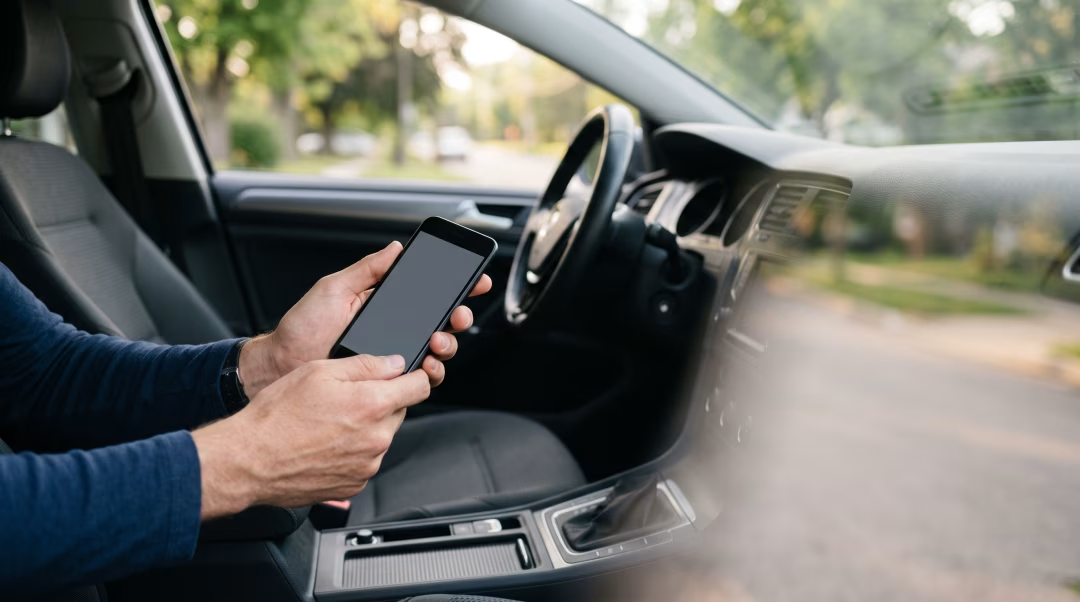
The Critical Difference: Personal vs. Commercial Use
The moment you turn on your rideshare app with the intent to accept a ride, your personal auto insurance policy likely stops protecting you. This is due to a standard clause in most personal policies known as the "commercial use exclusion" or "livery exclusion." From the insurer's perspective, when you use your vehicle to transport people for a fee, you are operating it as a commercial vehicle, or a "car for hire." This activity carries a different level of risk than your daily commute or a trip to the grocery store. You are on the road more often, driving in varied traffic conditions, and carrying passengers, all of which increase the statistical probability of an accident.
Ignoring this distinction can have severe consequences. If you are involved in an accident while working—even if you are just waiting for a ride request—and you only have personal insurance, your claim will almost certainly be denied. This leaves you personally responsible for all costs, including repairs to your vehicle, damage to other property, and medical bills for yourself and others. Furthermore, when your insurance company discovers you have been using your car for commercial purposes without the proper coverage, they may cancel your policy altogether, making it much more difficult and expensive to get insured in the future.
Understanding the Three Periods of Rideshare Driving
To fully grasp the insurance gap, it helps to break down a rideshare trip into three distinct periods. Insurance coverage, both from the rideshare company and your personal provider, changes depending on which period you are in.
- Period 1: App On, Waiting for a Request. This is the most significant coverage gap. You are online and available for rides, but you have not accepted one yet. Your personal policy does not cover you because you are engaged in commercial activity. The rideshare company's insurance provides only limited liability coverage during this time, and it is often just the state minimums. Crucially, their policy offers no collision or comprehensive coverage for your own vehicle in this period. If your car is damaged, you are on your own.
- Period 2: Request Accepted, En Route to Passenger. Once you accept a ride request and are on your way to pick up the passenger, the rideshare company's more substantial insurance policy kicks in. This typically includes higher liability limits and contingent comprehensive and collision coverage.
- Period 3: Passenger in the Car. From the moment the passenger enters your vehicle until they exit at their destination, you are covered by the rideshare company's full commercial insurance policy, which includes liability, and contingent comprehensive and collision.
The term "contingent" is important. It means the rideshare company's collision and comprehensive coverage only applies if you already carry those coverages on your personal auto policy. Additionally, this coverage comes with a high deductible, often $1,000 to $2,500, which you must pay out of pocket before the insurance covers the rest.
The Solution: Rideshare Insurance Endorsements
The best way to bridge these dangerous coverage gaps is with a specific rideshare insurance policy or, more commonly, a rideshare endorsement added to your personal auto policy. This endorsement is an affordable add-on that extends your personal coverage to include Period 1, when you are online and waiting for a ride. It ensures you are protected from the moment you log into the app. When you enter Periods 2 and 3, the rideshare company's policy becomes primary, but your endorsement provides peace of mind and may even offer lower deductibles than the rideshare company's plan.
Many major insurance carriers now offer these endorsements. It is vital to be upfront with your insurance agent about your intention to drive for a rideshare service. They can guide you to the correct product. Failing to disclose this information is considered misrepresentation and can lead to claim denial and policy cancellation. If you are exploring vehicles, remember that the type of car you drive can also impact insurance rates. Our team can help you find a vehicle that not only fits your needs as a driver but is also economical to insure. You can learn more about general insurance requirements on our financed car coverage page.
Finding the Right Car for Your Rideshare Business
Choosing the right vehicle is just as important as having the right insurance. An ideal rideshare car is reliable, fuel-efficient, comfortable for passengers, and cost-effective to maintain. You need a car that will not let you or your customers down. Many drivers prefer four-door sedans or small SUVs for their blend of passenger space, cargo capacity, and good gas mileage. Features like a smooth ride, a quiet cabin, and effective climate control can lead to better ratings and more tips.
At our dealership, we have a wide selection of pre-owned vehicles perfect for rideshare or delivery driving. We understand the importance of reliability and affordability. Our team can walk you through our used inventory to find the best fit for your budget and business goals. For more ideas on what to look for, check out our guide on the best used cars for rideshare driving in Dallas. Once you have found the right vehicle, our financing experts are here to help you navigate the purchasing process, even if you have had credit challenges in the past. We believe everyone deserves a chance to build their own success. For any questions, please feel free to contact us.
Is rideshare insurance required by law?
While specific laws vary by state and city, the practical answer is yes. Your personal auto policy contractually excludes commercial activity, and the rideshare companies require you to maintain personal insurance that meets state laws. To fill the gap between your personal policy and the company's coverage, a rideshare endorsement is a necessity to be properly protected.
Will my personal car insurance company find out if I drive for a rideshare service?
It is very likely they will. In the event of an accident, an adjuster will investigate the circumstances. If they discover you were working for a service like Uber or Lyft at the time, your claim will be denied, and your policy could be canceled for misrepresentation. It is always best to be transparent with your insurer from the start.
How much does rideshare insurance cost?
The cost of a rideshare endorsement is typically quite affordable, often adding a small amount to your monthly premium. The exact price depends on your driving record, the type of vehicle you have, your location, and the insurance carrier. It is a small price to pay for the significant protection it provides.
What happens if I get in an accident while driving for Uber or Lyft without rideshare insurance?
If you are in an accident during Period 1 (app on, waiting for a ride), your personal insurance will deny the claim, and the rideshare company's policy provides no coverage for your vehicle. You would be personally liable for all damages to your car and potentially for costs exceeding the TNC's low liability limits. In Periods 2 or 3, you would be subject to the rideshare company's high deductible, often $2,500.
Do I need rideshare insurance for food delivery services too?
Yes. Driving for services like DoorDash, Grubhub, or Uber Eats is also considered commercial use of your vehicle. The same insurance gaps exist, and a personal auto policy will not cover you while you are on a delivery. Some insurance companies offer specific endorsements for delivery driving, which may be different from rideshare endorsements, so be sure to specify which services you will be working for.
