

How to Organize All Your
Car Paperwork in One Convenient Place
Owning a vehicle involves more than just driving; it comes with a significant amount of important paperwork. From the title and registration to loan agreements and maintenance receipts, these documents are crucial for legal ownership, insurance purposes, and eventually selling or trading your car. Letting these papers pile up in a cluttered drawer or a messy glove box can lead to stress, missed deadlines, and major headaches when you need a specific document quickly. Creating a simple, centralized system for all your automotive records not only saves you time but also protects your investment. A well-organized file ensures you have everything you need for tax purposes, warranty claims, or providing a complete history to the next owner. Taking a little time now to sort through your documents will provide peace of mind and make managing your vehicle ownership much easier in the long run.
Getting started is the most important step. Whether you prefer a physical filing system or a digital one, the principles are the same: gather, sort, and store. A clear and consistent method will help you stay on top of everything from your monthly payment records to your next scheduled oil change. This guide will walk you through everything you need to know to create the perfect organization system for your car paperwork, ensuring you are always prepared and in control of your important vehicle documents.
Your Complete Guide to Automotive Document Management
A vehicle is one of the most significant purchases many people make, and the associated paperwork is just as important as the car itself. Misplacing a title, a loan contract, or a service record can create significant problems. A disorganized pile of papers makes it difficult to track your maintenance history, which can affect your car's resale value. It can also cause delays when you need to renew your registration, handle an insurance claim, or complete the trade-in process. By establishing a dedicated home for every document, you transform a potential source of chaos into a valuable resource. This comprehensive guide will break down exactly which documents to keep, explore effective organization methods, and provide a step-by-step process to get your automotive life in order.
The Essential Car Paperwork Checklist
The first step in organizing is knowing what you need to keep. Not every piece of paper is essential, but some are legally required or financially critical. Gather all your vehicle-related documents and sort them into categories. Here are the core documents you should always keep in your system:
- Vehicle Title: This is the legal document proving ownership. It should be stored in a very safe place at home, like a fireproof safe, not in your car. If you have a loan, the lienholder often holds the title until the loan is paid off.
- Vehicle Registration: This document, issued by the state, permits your car to be driven on public roads. You must keep a current copy in your vehicle at all times.
- Proof of Insurance: You are legally required to carry proof of current auto insurance in your vehicle. This can be a physical card or a digital version on your phone.
- Financing and Loan Paperwork: This includes your retail installment contract and any other documents from your loan. These are important for understanding your payment terms, interest rate, and lender information. Keep these filed safely at home.
- Bill of Sale: When you purchase a car, the bill of sale serves as a receipt. It contains details about the transaction, including the date, price, and vehicle information.
- Maintenance and Repair Records: Keep every receipt for oil changes, tire rotations, brake jobs, and major repairs. This creates a service history that is invaluable for diagnosing future issues and demonstrating proper care when you decide to value your trade.
- Warranty Documents: If your vehicle came with a manufacturer's warranty or you purchased an extended service contract, keep that paperwork handy. It outlines what is covered and how to make a claim.
- Vehicle History Report: If you ran a CARFAX or AutoCheck report before buying your used car, it is a good idea to keep a copy with your records.
Choosing Your Organization System: Physical vs. Digital
Once you have gathered your documents, you need to decide how to store them. There is no single "best" way; the right method depends on your personal preference. Many people find that a hybrid approach, using both physical and digital storage, offers the most security and convenience.
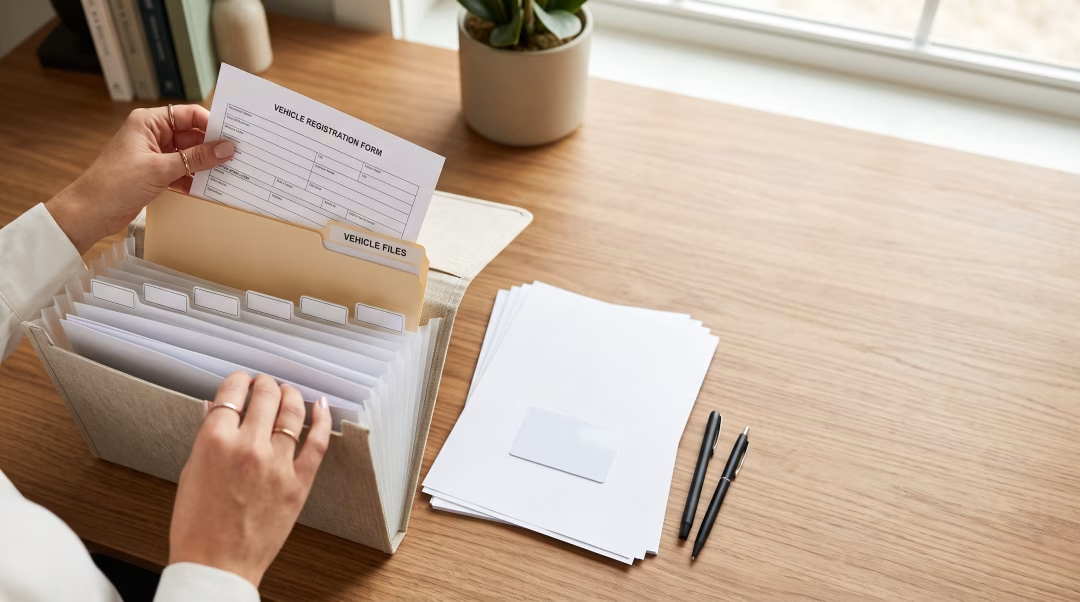
Physical Storage Solutions: For those who prefer tangible records, several options work well. An accordion file folder with labeled tabs for each category (e.g., "Insurance," "Repairs," "Loan") is simple and effective. A three-ring binder with plastic sheet protectors is another great way to keep papers clean and in order. For maximum protection of irreplaceable documents like the title, a small fireproof and waterproof safe or lockbox is a wise investment. The key is to keep this file in a designated, accessible spot in your home office or filing cabinet.
Digital Storage Solutions: A digital system makes your documents accessible from anywhere and protects them from physical damage like fire or water. You can use a scanner or even your smartphone camera to create high-quality digital copies. Store these files in a dedicated folder on a cloud service like Google Drive, Dropbox, or OneDrive. Create subfolders that mirror the physical categories. Be sure to use a clear and consistent naming convention for your files (e.g., "2023-10-15_Oil-Change_Receipt.pdf"). For added security, make sure your cloud account is protected with a strong password and two-factor authentication. You might also consider password-protecting the most sensitive files.
Creating Your Car Paperwork Hub Step-by-Step
Ready to get organized? Follow these simple steps.
1. Gather Everything: Go through your home, car, and wallet. Collect every single piece of paper related to your vehicle and put it all in one pile.
2. Purge and Shred: Discard anything you no longer need. This includes expired insurance cards, old registration documents that have been replaced, or receipts for minor purchases like air fresheners. Shred anything with personal information on it.
3. Sort into Categories: Create piles for each category listed in the checklist above. This is the most time-consuming part, but it is the foundation of your system.
4. Choose Your System and File: Decide on a physical, digital, or hybrid system. If physical, get your binder or accordion file and create labeled dividers. Place the sorted documents into the appropriate sections in chronological order. If digital, scan each document and save it to the correctly named folder in your cloud storage.
5. Designate Glove Box Documents: Take your current registration and proof of insurance card and place them in your glove compartment. It is also wise to include emergency contact information. Do not keep the title in your car. If the car is stolen, the thief would have the means to fraudulently sell it.
6. Maintain the System: The final step is to stick with it. Every time you get a new document, whether it is a repair invoice or a registration renewal, file it immediately. Take five minutes to place it in the right spot in your binder or scan it to your cloud drive. This prevents the pile-up from happening again and ensures your records are always up to date.
Frequently Asked Questions About Organizing Car Paperwork
What documents should I keep in my car at all times?
You should always keep a current copy of your state-issued vehicle registration and your proof of insurance card in your vehicle's glove compartment or center console. It is a good idea to also have your owner's manual readily available. Never store the vehicle's title in the car, as this could facilitate theft.
How long should I keep old car maintenance records?
It is best practice to keep all maintenance and repair records for as long as you own the vehicle. A complete service history can significantly increase the resale or trade-in value of your car, as it demonstrates to the next owner that the vehicle was well-maintained. Once you sell the car, you can pass these records on to the new owner.
What is the safest way to store my car title?
The vehicle title is the most important document proving your ownership. It should be stored in a secure location inside your home, not in the car. A fireproof and waterproof safe, a bank safe deposit box, or a secure home filing cabinet are all excellent options for protecting this critical document from loss, theft, or damage.
Is a digital copy of my insurance card legally acceptable?
In Texas and most other states, showing a digital version of your auto insurance card on a smartphone or other electronic device is legally acceptable as proof of insurance during a traffic stop. However, it is still a good idea to keep a paper copy in your glove box as a backup in case your phone battery dies or you have technical issues.
What should I do if I lose an important car document like the registration or title?
If you lose your car registration, you can typically request a duplicate from your state's department of motor vehicles (DMV) or equivalent agency, often through their website. If you lose the title, the process to get a duplicate title is more involved and also handled by the DMV. You can find instructions and forms on their official website. For questions about your loan paperwork, it is best to contact your lender directly.
