

How to Protect Your
Catalytic Converter From Theft
The Rising Threat of Catalytic Converter Theft
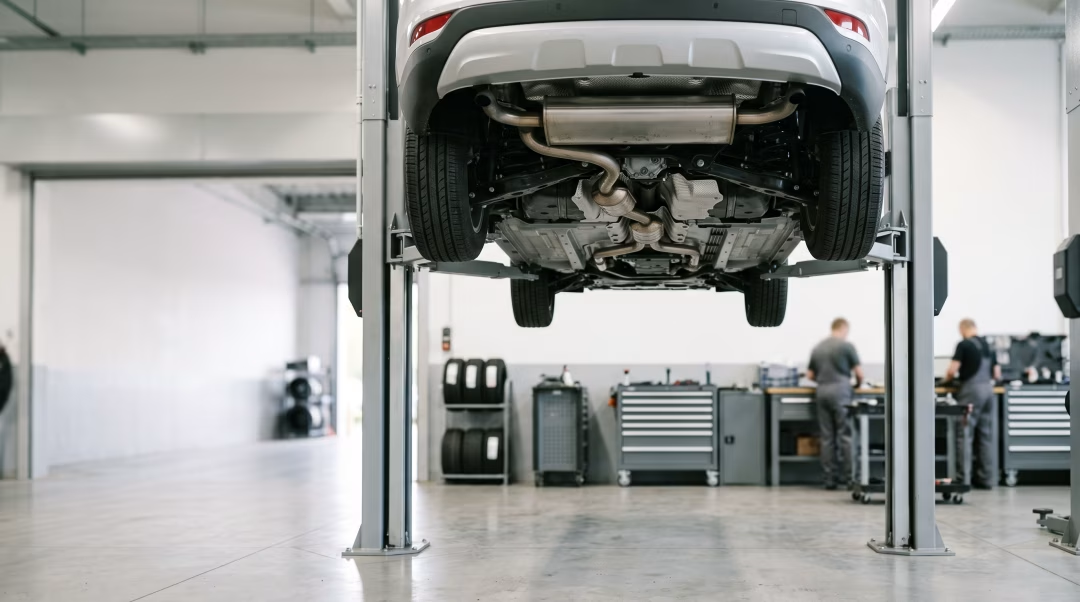
In recent years, a specific type of vehicle crime has been on the rise across the country: catalytic converter theft. This essential emissions control device, found on the undercarriage of most gasoline and hybrid vehicles, has become a prime target for thieves. The reason is simple: the precious metals inside, such as platinum, palladium, and rhodium, are incredibly valuable. Thieves can remove a converter in a matter of minutes, leaving you with a vehicle that is suddenly extremely loud, illegal to drive, and facing a costly repair. Understanding why this happens and which vehicles are most at risk is the first step. More importantly, learning the simple, effective strategies you can use to deter thieves can save you significant time, money, and frustration. Protecting your investment is crucial, and a few proactive measures can make all the difference in keeping your car safe and secure.
Taking action to secure your catalytic converter is one of the smartest things you can do for your vehicle's long term security. While no single method is foolproof, combining several layers of protection dramatically reduces your risk. By making your vehicle a more difficult and less attractive target, you encourage thieves to move on to an easier mark. Investing a small amount of time and effort now can prevent a major headache later. Continue reading to explore the detailed, practical solutions that can help safeguard your car.
A Comprehensive Guide to Catalytic Converter Security
To effectively protect your vehicle, it helps to understand exactly what you are protecting and why it is so desirable to criminals. The catalytic converter is a critical component of your vehicle's exhaust system. Its job is to convert harmful pollutants from the engine's combustion process, like carbon monoxide and nitrogen oxides, into less harmful substances such as carbon dioxide and water vapor. It accomplishes this through a chemical reaction facilitated by a catalyst, which is where the precious metals come in. The market value of rhodium, platinum, and palladium has soared, making even a small amount of these metals worth a significant sum on the scrap market. This high value, combined with the relative ease of access on many vehicles, creates a perfect storm for theft.
Which Vehicles Are Most Vulnerable?
While any vehicle with a catalytic converter can be a target, thieves often prefer certain types of vehicles that make their job quicker and easier. Understanding if your vehicle falls into a higher risk category can help you prioritize taking protective measures. You can browse our used inventory to see the variety of vehicle types available and consider their profiles in relation to this risk.
- Trucks and SUVs: The primary reason these vehicles are targeted is their high ground clearance. A thief can easily slide underneath with a battery powered reciprocating saw without needing to jack up the vehicle, saving them precious time and reducing the risk of being caught.
- Hybrid Vehicles: Many popular hybrid models are prime targets for a different reason. Because their gasoline engines run less frequently than in a conventional car, their catalytic converters suffer less corrosion and wear. This means the precious metals inside are often in better condition and can fetch a higher price. Some models may also contain a higher concentration of these metals.
- Fleet and Commercial Vans: These vehicles often sit parked together in large lots overnight, sometimes in less secure industrial areas. This presents a target rich environment where thieves can hit multiple vehicles in a single outing.
Effective Prevention Strategies
The best defense is a good offense. By implementing a multi layered security strategy, you can make your vehicle a much less appealing target. Most thieves are looking for a quick, low risk score, and anything you do to increase the time, effort, or noise required to steal your converter makes it more likely they will simply move on.
Strategic Parking
Where you park is your first and most important line of defense. It costs nothing and can be highly effective.
- Park in a Garage: If you have a garage at home, use it. A closed and locked garage is the single best deterrent.
- Choose Well-Lit Areas: When parking in public, always choose a spot that is well illuminated. Thieves thrive in darkness, and bright lights make them more visible and more likely to be seen.
- Park Near Entrances and High Traffic Zones: Park as close as you can to the entrance of a building or in an area with consistent foot and vehicle traffic. The presence of other people is a natural deterrent.
- Utilize Security Cameras: If a parking lot has security cameras, park your vehicle directly in their line of sight. While this may not stop a determined thief, the footage can be invaluable for a police investigation.
- Park Defensively: If you drive a vehicle with lower ground clearance, try parking close to a curb or wall on the side where your exhaust pipe is located. If you have a high clearance vehicle, consider parking it between two lower cars. This can make it physically harder for a thief to get underneath.
Install an Anti-Theft Device
For a more robust defense, consider having a physical anti theft device installed. These products are designed specifically to make removing the converter much more difficult and time consuming. If you are considering purchasing a vehicle, you can always contact us to discuss which security options might be best for the models you are interested in.
- Catalytic Converter Shields or Plates: These are sturdy metal plates that are bolted over the converter to the vehicle's frame. They create a strong barrier that requires significant effort and specialized tools to bypass.
- Steel Cages: A cage made of high strength, heat resistant steel rebar is welded around the converter. This makes it impossible to get a cutting tool around the unit itself.
- Cable Locking Systems: Devices that use aircraft grade steel cables are woven around the converter and secured to the vehicle's frame, working in a similar way to a high end bicycle lock. Cutting these cables is extremely difficult.
Installation for these devices is best left to a professional. You can often find a trustworthy mechanic in Dallas or a local muffler shop to perform the installation correctly and securely.
Marking Your Converter
This strategy focuses on making the converter less valuable or traceable if it is stolen. The goal is to deter scrap metal dealers from buying it, thus reducing the incentive for thieves.
- Engrave Your VIN: Use an electric engraver to etch your vehicle's Vehicle Identification Number (VIN) directly onto the body of the catalytic converter. A stolen part that can be traced back to a specific crime is much harder to sell.
- Use High-Temperature Paint: After engraving the VIN, spray the converter with a brightly colored, high temperature automotive paint. This makes the converter highly visible and signals to any potential buyer that it is likely stolen. The bright paint immediately raises red flags.
Enhance Your Vehicle's Alarm System
If your car has a factory alarm, it may not be sensitive enough to detect the activity of a converter theft. Aftermarket alarms can offer enhanced protection. Look for systems that include a tilt or vibration sensor. The sawing motion used to cut the exhaust pipes can often trigger these more sensitive alarms, drawing attention to the crime in progress and scaring the thief away.
What to Do if Your Converter is Stolen
Even with the best precautions, theft can still happen. If you are a victim, you will know it as soon as you start your car. The engine will produce a loud, deep roaring or rumbling sound that gets much louder when you press the gas pedal. If this happens, do not drive the vehicle. Driving without a converter is illegal in most places and can potentially damage your engine. Instead, take these steps:
- Contact the Police: File a police report immediately. This is crucial for insurance purposes and helps law enforcement track theft patterns in your area.
- Call Your Insurance Company: If you have comprehensive coverage on your auto policy, the theft and replacement cost may be covered, minus your deductible. Start the claims process as soon as possible.
- Arrange for a Tow: Have your vehicle towed to a trusted repair shop to have a new converter installed.
The cost of replacing a stolen converter, including parts and labor, can be substantial, often ranging from one thousand to over three thousand dollars depending on the vehicle. This is why prevention is so important. If you find yourself in a difficult financial situation after a theft or another emergency, our team in our financing area can discuss options for your next vehicle purchase.
How much does a catalytic converter cost to replace?
The cost to replace a stolen catalytic converter can vary widely, typically ranging from $1,000 to $3,000 or more. The final price depends on the make and model of your vehicle, whether an original equipment manufacturer (OEM) or aftermarket part is used, and local labor rates.
Does car insurance cover a stolen catalytic converter?
If you have comprehensive coverage as part of your auto insurance policy, the theft of a catalytic converter is usually covered. You will be responsible for paying your deductible, and your insurance provider would cover the remaining cost of the replacement up to your policy limits.
How can I tell if my catalytic converter has been stolen?
The most obvious sign is a very loud, deep roaring or rumbling sound when you start your engine, similar to a motorcycle or a race car. You may also notice a rougher ride, sputtering during acceleration, and the check engine light will likely illuminate on your dashboard.
Are electric vehicles safe from this type of theft?
Yes, fully electric vehicles (EVs) do not have an internal combustion engine and therefore do not have an exhaust system or a catalytic converter. They are completely safe from this specific type of theft. Hybrid vehicles, however, do have catalytic converters and are often prime targets.
Why are trucks and SUVs targeted more often for converter theft?
Trucks and SUVs are frequently targeted because their high ground clearance makes it much easier for a thief to slide underneath the vehicle to access the exhaust system. This allows them to cut out the converter quickly without needing to use a jack, reducing the time they are exposed and at risk of being caught.
