

Is a 10-Year-Old Car Still
a Good Buy for Today’s Driver?
Wondering if a 10-year-old car is still a good buy in today’s market? The answer is a resounding yes, and it could be one of the smartest financial decisions you make. A decade-old vehicle has already undergone its most significant period of depreciation, meaning you get much more car for your money. Modern manufacturing and engineering advancements mean that cars built ten years ago were designed to last, often equipped with features like Bluetooth, advanced safety systems, and comfortable interiors that are still relevant today. For budget-conscious buyers or those navigating credit challenges, a well-maintained older vehicle offers a fantastic blend of reliability, affordability, and functionality. It represents a practical path to owning a dependable car without the steep price tag of a newer model, allowing you to secure transportation that fits your life and your budget. It is a great way to explore our used inventory.
Navigating the purchase of an older vehicle is about finding the right balance of value and dependability. By focusing on well-maintained models and working with a dealership that understands your needs, you can drive away in a car that serves you well for years to come. Our team is dedicated to helping you understand all your options, from vehicle selection to financing. We believe everyone deserves reliable transportation, and a quality 10-year-old car is often the perfect solution. To learn more, please contact us today!
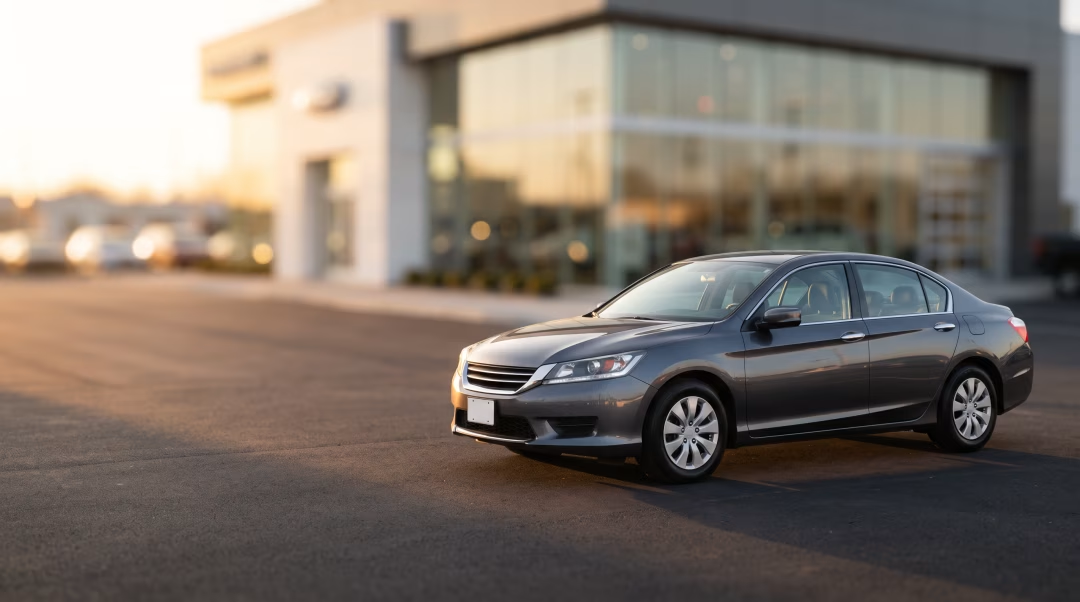
A Deep Dive into the Value of a Decade-Old Vehicle
The thought of buying a car that is a decade old might give some shoppers pause, but it is an opportunity that savvy buyers have embraced for years. The landscape of automotive quality has changed dramatically. A 10-year-old car from today is not the same as a 10-year-old car from the 1990s. Improved build quality, rust prevention, and more durable engine and transmission technology mean that many vehicles can easily and reliably exceed 200,000 miles with proper care. This longevity transforms a 10-year-old car from a potential risk into a strategic purchase. It opens the door to owning a vehicle that may have been out of reach when new, such as a well-equipped SUV or a comfortable sedan, for a fraction of its original cost.
The Financial Advantages of Buying an Older Car
The most significant benefit of choosing an older vehicle is the immense cost savings. A new car loses a substantial portion of its value—often 20% or more—in the first year alone. By the ten-year mark, that depreciation has leveled off. This means the price you pay is much closer to the car's true functional value, and it will not lose value as rapidly going forward. This financial edge extends beyond the sticker price.
- Lower Insurance Costs: Insurance companies base their premiums partly on the replacement cost of a vehicle. Since a 10-year-old car has a lower value, the cost to insure it is typically much less than for a new or late-model car.
- Reduced Registration Fees: In many areas, annual vehicle registration or excise tax is calculated based on the car's age and value. An older, less valuable car often results in lower yearly fees.
- More Accessible Financing: While traditional banks might be hesitant to finance older cars, specialized lenders and in-house financing dealerships welcome them. This makes it possible for buyers with varying credit histories to get into a reliable vehicle. We explain more in our section about what is buy here pay here financing.
What to Look for When Buying a 10-Year-Old Car
Buying an older car requires a bit more diligence than buying new, but the right steps can lead you to a fantastic vehicle. The key is to prioritize a car's history and condition over its age or mileage alone. A well-cared-for car with 120,000 miles is often a much better buy than a neglected one with 70,000 miles. When you're ready to start your search, focus on these key areas to make an informed decision.
First, do your homework. Research is your best friend. Some makes and models have legendary reputations for durability, while others from the same era might have known issues. Use online resources to look up consumer reviews and reliability ratings for the specific year and model you're considering. Pay close attention to common problems reported for that vehicle, especially regarding the engine, transmission, and electrical systems. This knowledge helps you know what to look for during an inspection and test drive.
Next, always review the vehicle history report. This document provides a wealth of information, including reported accidents, title issues like salvage or flood damage, and a record of previous owners and service history. While it may not capture everything, it's an essential tool for flagging potential deal-breakers. A car with a clean history report and evidence of regular maintenance is a strong contender.
Finally, nothing replaces a hands-on inspection and a thorough test drive. Look for signs of uneven tire wear, which could indicate alignment problems. Check under the hood for fluid leaks and listen for any strange noises from the engine. During your schedule a test drive appointment, make sure to drive the car on different types of roads—city streets and highways—to see how it performs at various speeds. Test all the electronics, from the windows to the air conditioning. Being methodical here can help you avoid costly surprises down the road.
The Role of In-House Financing
For many buyers, securing a loan for an older car can be a hurdle. Traditional lenders often have strict rules about the age and mileage of the vehicles they will finance. This is where in-house financing, also known as Buy Here Pay Here (BHPH), becomes a crucial advantage. At a dealership that provides its own financing, the lending decision is made by the same people who are selling you the car. We understand the real-world value of a well-maintained 10-year-old vehicle and are more flexible than a large, impersonal bank. This approach focuses more on your current ability to make payments than just your credit score. If you have a steady income and can afford the payments, you have a strong chance of being approved, opening up a world of reliable, affordable transportation that might otherwise be out of reach. Check out our our financing area to learn more.
Is a 10-year-old car with over 100,000 miles a bad idea?
Not at all. With modern engineering, many cars are built to last well over 200,000 miles. The key is not the mileage itself, but how the vehicle was maintained. A car with a solid service history and 125,000 miles can be far more reliable than a neglected car with 80,000 miles. Focus on the overall condition and maintenance records.
What are some of the most reliable 10-year-old car brands?
While reliability varies by model, brands like Toyota, Honda, and certain models from Ford and Chevrolet have historically demonstrated strong long-term durability. It is always best to research the specific year and model you are interested in, as every brand has its standout performers and less reliable vehicles.
How can I get financing for a car that is 10 years old?
While some traditional banks may have restrictions on financing older vehicles, dealerships with in-house financing programs are often an excellent option. These programs, sometimes called Buy Here Pay Here, specialize in financing the vehicles they sell and can offer more flexibility based on your income and financial situation rather than just your credit score.
Will I have to pay for expensive repairs right away?
A thorough pre-purchase inspection and a review of the vehicle's history can significantly reduce the risk of immediate, unexpected repairs. Reputable dealerships inspect their vehicles before placing them for sale to address major issues. While any used car will require maintenance, choosing a well-cared-for vehicle minimizes the likelihood of immediate costly problems.
Are parts for a 10-year-old car hard to find or expensive?
For most popular domestic and import models, parts are widely available and affordable. The large number of these vehicles still on the road means there is a robust market for both new and used replacement parts. This availability helps keep repair costs reasonable compared to newer or more obscure vehicles.
