

Is It Better to Trade In
or Sell Your Car Privately in Dallas?
Deciding what to do with your current vehicle is one of the first major steps when buying your next one. For many drivers in Dallas, the big question is whether to trade it in at a dealership or go through the process of selling it privately. Each path offers a distinct set of advantages and challenges. Trading in your car provides unmatched convenience, speed, and simplicity, wrapping the entire process into a single transaction. You can drive in with your old car and leave with a new one on the same day. On the other hand, a private sale could potentially put more money in your pocket, but it requires you to manage every step, from advertising and meeting buyers to handling complex paperwork. Understanding the pros and cons of each option in the DFW market is key to making the best financial and practical decision for your situation.
Choosing between a trade-in and a private sale ultimately comes down to what you value most: time and convenience or the absolute maximum sale price. A dealership trade-in streamlines everything, removing the stress of finding a reliable buyer and managing legal transfers. While a private sale might yield a higher price, it demands significant effort and carries inherent risks. Before you decide, consider getting a fast, no-obligation offer to see what your vehicle is worth. This gives you a solid baseline to compare against the potential gains and hassles of selling it yourself.
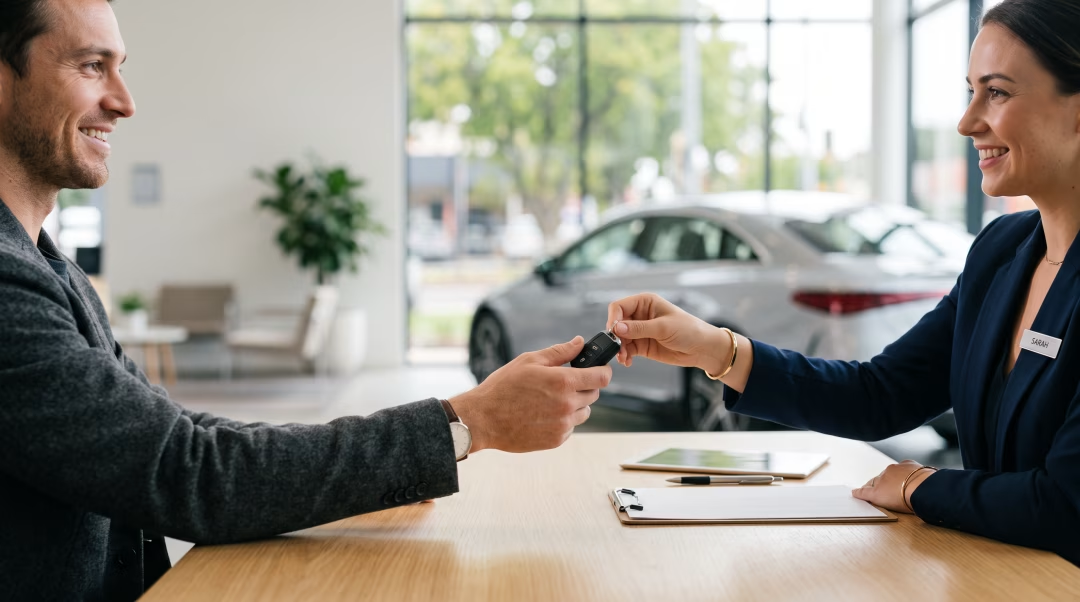
A Deep Dive into Trading In vs. Selling Privately in Dallas
The Dallas-Fort Worth metroplex is a vast and dynamic automotive market. When it is time to move on from your current car, you have two primary options: the straightforward dealership trade-in or the more hands-on approach of a private sale. Let's break down the realities of each choice so you can decide with confidence.
The Benefits of Trading In Your Car at a Dealership
For many people, the convenience of a trade-in is the deciding factor. The process is designed to be as seamless and efficient as possible, saving you time and significant effort.
- Unmatched Convenience: This is the number one reason drivers choose to trade in their vehicles. You are handling two transactions—selling your old car and buying a new one—at one location, often in a single afternoon. There is no need to write ads, take dozens of photos, or answer calls and messages at all hours. You simply bring your car to the dealership, receive an offer, and if you accept, the value is applied directly to your next purchase from our used inventory.
- Significant Sales Tax Savings: This is a major financial advantage in Texas that many people overlook. When you trade in a vehicle, you only pay sales tax on the difference between your trade-in value and the price of the car you are buying. For example, if you buy a $20,000 car and your trade-in is worth $8,000, you only pay sales tax on the remaining $12,000. In a private sale, you would receive your $8,000 separately and still have to pay sales tax on the full $20,000 purchase price. You can learn more about how Texas motor vehicle sales tax is calculated on our blog.
- Simplified Paperwork: Selling a car involves a surprising amount of paperwork, including title transfers and liability release forms. When you trade with a dealership, our experienced team handles all of it for you. We ensure the title is transferred correctly and that your legal responsibility for the vehicle ends the moment you sign the papers. This protects you from future issues, like toll violations or parking tickets incurred by the next owner.
- Easy Loan Payoffs: If you still owe money on your car, a trade-in is the easiest way to proceed. We will verify your payoff amount with your lender and handle the transaction as part of the deal. If your trade-in is worth more than you owe, the positive equity is applied to your down payment. If you have negative equity, we can often roll that amount into your new financing plan. This avoids the complicated process of paying off a loan while trying to secure funds from a private buyer.
- Safety and Security: Trading your vehicle in at one of our secure locations means you avoid all the risks associated with private sales. You do not have to worry about strangers coming to your home, the dangers of test drives with unknown individuals, or the potential for fraudulent payments like bad checks or counterfeit cash.
The Realities of Selling Your Car Privately in Dallas
The main draw of a private sale is the potential to get more money for your car than a dealership might offer. However, achieving that higher price requires you to take on all the roles—and risks—of a car dealer.
- Time and Labor Intensive: Successfully selling a car yourself is a part-time job. You must research the market value, thoroughly clean and detail the car, take high-quality photographs, write a compelling advertisement, and post it on multiple platforms. Then, you have to manage a stream of inquiries, filter out serious buyers from scammers and low-ballers, and schedule viewings and test drives that fit into your busy life.
- Managing Repairs and Expectations: Does your car have a check engine light on or need new tires? In a private sale, these issues can be major sticking points. You will have to decide whether to invest in repairs beforehand or lower your price and sell the car "as-is," which can significantly shrink your pool of potential buyers. Buyers will inspect the car closely and will use any imperfection to negotiate the price down.
- Negotiations and Haggling: Most private buyers expect to negotiate. You must be prepared to haggle over the price and defend your asking amount. This can be a stressful and uncomfortable process for many people, especially when dealing with aggressive negotiators.
- Legal and Financial Risks: You are solely responsible for ensuring the entire transaction is done correctly. This includes verifying the buyer's payment, properly signing over the title, and submitting a Vehicle Transfer Notification to the Texas DMV. Mistakes in the paperwork can leave you liable for the vehicle after it is sold. Furthermore, dealing with large cash payments or verifying cashier's checks comes with a risk of fraud.
The Best of Both Worlds: Get an Offer First
You do not have to commit to one path or the other right away. A smart strategy is to start by finding out what your car is worth as a trade-in. You can use our online Value My Trade tool to get an instant estimate and then bring your car in for a firm, written offer. This offer costs you nothing and comes with no obligation to sell to us or buy from us.
Once you have that concrete offer in hand, you have a powerful piece of information. You can now accurately weigh the pros and cons. Is the potential extra cash from a private sale worth the weeks of effort, the safety risks, and the paperwork headaches? For many Dallas drivers, the speed, security, and significant tax savings of trading in make it the clear winner. If you have questions about the process, please do not hesitate to contact us.
How does a trade-in affect my sales tax in Texas?
In Texas, the value of your trade-in is deducted from the price of the vehicle you are purchasing before sales tax is calculated. This tax credit is a significant financial benefit, as you only pay tax on the difference, potentially saving you hundreds of dollars compared to a private sale where you pay tax on the full purchase price.
Can I trade in a car that I still owe money on?
Yes, absolutely. This is a very common scenario. We will contact your lender to get the exact payoff amount. That amount is then settled as part of the trade-in transaction. If your car is worth more than the payoff, the extra money (positive equity) goes toward your next vehicle. If you owe more than it is worth (negative equity), we can often help you include that balance in your new financing arrangement.
What documents do I need to trade in my car in Dallas?
To ensure a smooth trade-in process, you should bring your vehicle's title (if you own it outright), your driver's license, proof of insurance, and any loan account information if you are still making payments. Having both sets of keys, the owner's manual, and service records can also be beneficial.
Is it safer to trade in my car than sell it privately?
Trading in your vehicle at a reputable dealership is significantly safer than a private sale. You avoid the risks of meeting strangers, potential scams involving payment, and liability issues that can arise from improper paperwork. A dealership provides a secure, professional environment for the entire transaction.
Does a clean car really get a better trade-in offer?
Yes, presentation matters. A clean and well-maintained vehicle makes a better first impression and suggests that the car has been cared for. While it may not dramatically increase the value by thousands, removing personal items, cleaning the interior, and washing the exterior can certainly help you get the best possible offer from the appraiser.
