

Is a Sunroof Worth It
in a Hot Climate Like Texas?
Deciding on a used car often comes down to features, and one of the most debated is the sunroof, especially in a hot climate. Many drivers love the open, airy feeling and the flood of natural light a sunroof provides. It can make a cabin feel larger and transform a routine drive into a more enjoyable experience. However, living in an area known for its intense sun and high temperatures raises valid questions. Will that beautiful glass roof turn your car into an oven? Does it place extra strain on your air conditioning system, and what about the long term effects of sun exposure on your vehicle's interior? This decision involves weighing the aesthetic and experiential benefits against the practical realities of our warm environment. Before you decide, it is important to understand both the advantages and the potential drawbacks to see if a sunroof fits your lifestyle and priorities.
Ultimately, whether a sunroof is a worthwhile feature is a personal choice. Modern automotive technology has come a long way, with many vehicles offering UV-filtering glass and high-quality, opaque sunshades that significantly reduce heat transfer. For some, the joy of opening the roof on a pleasant evening or a mild morning outweighs any potential downside. For others, the simplicity of a solid roof is preferable. By considering your daily commute, parking situation, and personal comfort, you can make an informed decision that you will be happy with for years to come.
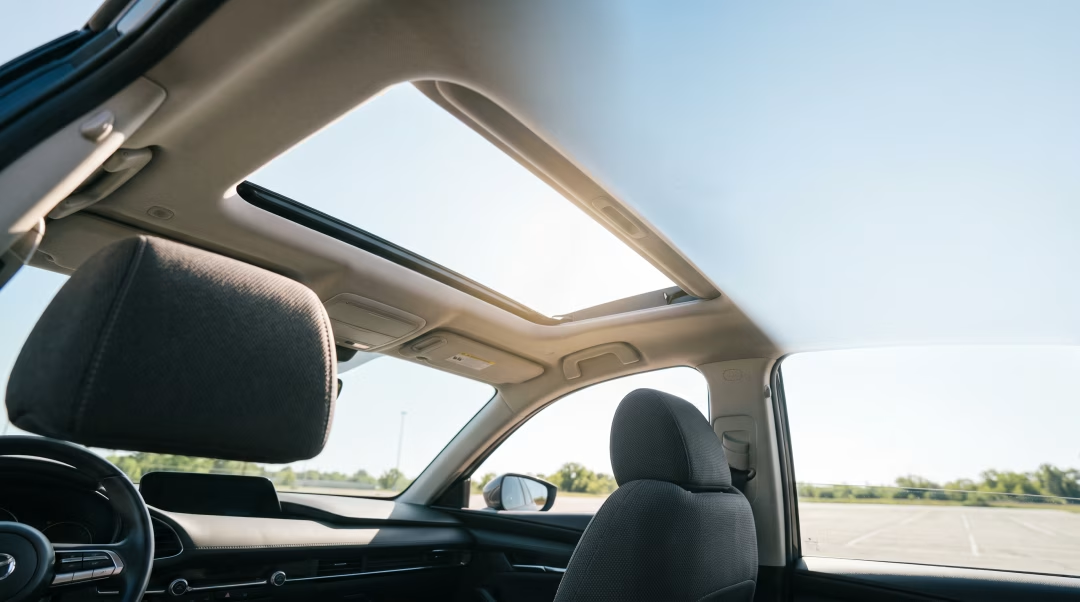
A Deep Dive into Sunroofs and Hot Climates
The sunroof has been a desirable automotive feature for decades. It represents a touch of luxury, freedom, and a connection to the outdoors. But for drivers in Texas and other sun-drenched regions, the fantasy of a sun-filled cabin can quickly meet the reality of a sweltering car interior. The question isn't just about comfort; it's also about practicality, maintenance, and long-term value. Let's break down every angle of this common car-buying dilemma to help you find the perfect vehicle in our used inventory.
The Undeniable Appeal: Why Drivers Want a Sunroof
There are clear reasons why sunroofs and their larger cousins, panoramic roofs, remain popular options. Understanding the "pros" is the first step in weighing them against the potential "cons" of a hot climate.
- Enhanced Natural Light: A sunroof can make a car's interior feel significantly larger, brighter, and more inviting, even when it's closed. This is especially true for cars with darker interiors, which can sometimes feel cramped.
- Open-Air Experience: On a beautiful day, nothing beats the feeling of fresh air. A sunroof offers a compromise between a sealed cabin and a full convertible, providing ventilation and an open-road sensation without the intense wind and noise.
- Efficient Ventilation: Tilting the back of the sunroof can create a vent that pulls stale, hot air out of the car without creating a draft. This is a great way to air out a car that has been sitting in the sun, often faster than just using the windows.
- Aesthetic and Resale Value: Many people simply find that cars with sunroofs look more premium and sporty. This perception can also translate into slightly higher resale value, as it's a feature many used car buyers are actively looking for.
The Hot Climate Challenge: Potential Downsides in Texas
Here is where the practical concerns come into play. While modern cars are better equipped to handle the heat, these are still valid points to consider during your car search and are important topics to discuss with our staff. You can contact us with any questions you may have about a specific vehicle.
The most obvious concern is heat gain. Glass, even tinted glass, is not as effective an insulator as a steel roof with a headliner. On a summer day, the sun beating directly through the glass can create a greenhouse effect, raising the cabin temperature significantly. This forces the air conditioning system to work harder, which can slightly impact fuel efficiency and put more wear on the AC components over time. Learning how to test a used car's air conditioning is crucial when shopping.
Another factor is potential sun damage to the interior. Prolonged, direct exposure to UV rays can cause dashboards to crack and upholstery to fade over time. While a sunroof's sunshade helps, it is not always used, and UV rays can still have an effect. Furthermore, the rubber seals that keep a sunroof watertight can degrade faster under constant exposure to intense heat and sun. While leaks are not as common on modern vehicles as they used to be, dried and cracked seals can become a maintenance issue down the road.
Panoramic Roofs: Maximum View, Maximum Heat?
Panoramic roofs, which can cover a large portion of the roof area, amplify both the pros and the cons. The view and feeling of openness are unparalleled, especially for passengers in the back seat. However, the sheer surface area of glass means a much greater potential for heat gain. Cars with these expansive roofs almost always come with power-operated sunshades, but the quality and opacity of these shades vary. A thin, mesh-like shade will do little to block the radiant heat, while a thick, fully opaque shade is much more effective. When looking at a car with a panoramic roof, pay close attention to the sunshade—it is just as important as the glass itself.
How to Make a Sunroof Work in a Hot Climate
If you have your heart set on a sunroof, the good news is that you can take several steps to mitigate the downsides of the Texas sun.
- Invest in Ceramic Tint: Applying a high-quality ceramic window tint to the sunroof glass is one of the most effective solutions. These films are designed to block a significant amount of infrared radiation (heat) and UV rays without dramatically darkening the glass. It is a worthwhile investment. We have an entire article exploring if window tint is worth it for Texas drivers.
- Use Your Sunshade Diligently: Always close the interior sunshade when you park your car. This simple habit creates a vital barrier against the sun, keeping the cabin cooler and protecting the interior from UV damage.
- Park Smart: Whenever possible, park in a garage or under shaded cover. If you must park in an open lot, using a reflective windshield sun visor can also help reduce the overall interior temperature.
- Perform Regular Maintenance: Periodically check the rubber seals around your sunroof for any signs of cracking or drying. Keeping the drain tubes clear of debris is also a key part of preventing future water leak issues.
Ultimately, the decision rests on your personal preferences and lifestyle. If you value natural light and fresh air and are willing to take a few preventative measures, a sunroof can be a fantastic feature to have, even in the heart of Texas. We invite you to schedule a test drive to experience different vehicles and see what feels right for you. Our team is here to help you weigh your options and find a car you'll love driving every day.
Do sunroofs always develop leaks over time?
Leaks are not inevitable, but the risk can increase with age, especially in a hot climate where rubber seals can degrade faster. The most common cause of leaks is not a failed seal but clogged drain tubes. All sunroofs have channels and tubes to direct water away. If these get clogged with leaves or debris, water can back up and enter the cabin. Regular cleaning of these drains is the best way to prevent leaks.
Does a panoramic sunroof make a car hotter than a regular one?
Yes, due to its much larger glass surface area, a panoramic sunroof has the potential to let in significantly more heat than a standard, smaller sunroof. However, the effectiveness of the vehicle's interior sunshade plays a huge role. A car with a panoramic roof and a thick, opaque sunshade may stay cooler than a car with a regular sunroof that has a thin or no shade at all.
Can you add a high-quality ceramic tint to a factory sunroof?
Absolutely. Professional installers can apply high-quality ceramic or infrared-blocking tint film to the inside of the sunroof glass. This is a very popular and effective upgrade for drivers in hot climates. It can reject a large percentage of heat-causing infrared rays without making the glass significantly darker, preserving the open and airy feel while drastically reducing the greenhouse effect.
Does having a sunroof affect car insurance rates?
Generally, having a sunroof does not have a major impact on your insurance premiums. However, because glass can be expensive to replace, especially on panoramic systems, it might slightly increase the cost of your comprehensive coverage. This is because comprehensive coverage handles non-collision events, including glass breakage from hail or road debris. The difference is usually minimal, but it is worth checking with your provider.
How can I check if a used car's sunroof is working properly?
During a test drive, you should test all functions of the sunroof. Open and close it completely several times. Listen for any grinding, popping, or straining noises from the motor. Check that it tilts up and down correctly. Make sure the sunshade slides smoothly without getting stuck. Also, perform a visual inspection of the rubber seals around the glass for any signs of cracking, shrinking, or damage.
