

Should You Avoid Buying a
Used Car with a Prior Accident?
Finding a "used car with a prior accident" listed on a vehicle history report can feel like a major red flag, causing many buyers to immediately walk away. However, writing off every vehicle with a less-than-perfect history could mean missing out on a fantastic deal. Not all accidents are created equal. A minor fender bender that was professionally repaired is vastly different from a major collision that caused structural damage. The key is understanding the difference and knowing what to look for. By arming yourself with the right information, you can confidently assess a vehicle's true condition and potentially drive away in a reliable, high-quality car at a price that fits your budget perfectly. An accident history does not automatically disqualify a car from being a great choice for your next vehicle; it simply means you need to do your homework, and we are here to help you do just that.
Ultimately, the decision to purchase a vehicle with a documented accident comes down to transparency, quality of repairs, and value. Our commitment is to provide you with all the information you need, including a full vehicle history report, so you can make an educated choice. We encourage you to explore our used inventory and schedule a test drive to experience the quality of our vehicles firsthand. Our team is always ready to answer your questions and guide you through a stress-free car-buying journey.
A Deeper Dive into Cars with Accident Histories
The thought of buying a car that has been in a wreck is unsettling for most people. It brings up images of hidden problems, compromised safety, and future mechanical failures. While this caution is understandable, it is also based on a broad generalization. A more informed approach can unlock significant value in the used car market. The secret is to move past the simple "yes" or "no" on an accident report and investigate the specifics of what happened and, more importantly, how the vehicle was restored.
Many accidents are incredibly minor. Think of a parking lot scrape, a bumper tap in slow traffic, or cosmetic hail damage. These incidents often result in an insurance claim and will appear on a history report, yet they have zero impact on the vehicle's structural integrity, safety systems, or long-term reliability. When these repairs are completed by a reputable body shop using quality parts, the car can be functionally and aesthetically identical to one with a clean record. The only lasting difference is the blemish on its history, which translates into a lower price tag for you, the savvy buyer.
Understanding the Vehicle History Report
The first tool in your investigation should always be a comprehensive vehicle history report (VHR) from a provider like CarFax or AutoCheck. We provide these for our vehicles to ensure full transparency. A VHR is an essential starting point, but it is important to know how to read it. It will tell you if an accident was reported, the date it occurred, and sometimes a general description of the damage, such as "minor damage to front" or "vehicle towed."
Key things to look for include:
- Severity of Damage: Reports often classify damage as minor, moderate, or severe. While "minor" is often a good sign, "severe" warrants a much closer look.
- Airbag Deployment: If the airbags deployed, it indicates a more significant impact. This does not automatically mean the car is unsafe now, but it means the repairs needed to be extensive and thorough.
- Structural Damage: This is a critical piece of information. If the report indicates structural or frame damage, the vehicle requires a professional inspection to confirm the quality of the repair. A poorly repaired frame can lead to alignment issues, uneven tire wear, and compromised crash safety.
- Title Brands: A VHR will show if the car has ever been issued a branded title, such as "Salvage" or "Rebuilt." A rebuilt title means the car was once declared a total loss by an insurance company but has since been repaired and passed a state inspection. These vehicles can be an excellent value but demand the highest level of scrutiny.
Remember, a VHR is only as good as the information reported to it. If an accident was never reported to the police or an insurance company, it will not appear on the report. That is why the VHR is just the first step, not the final word.
The Importance of a Professional Inspection
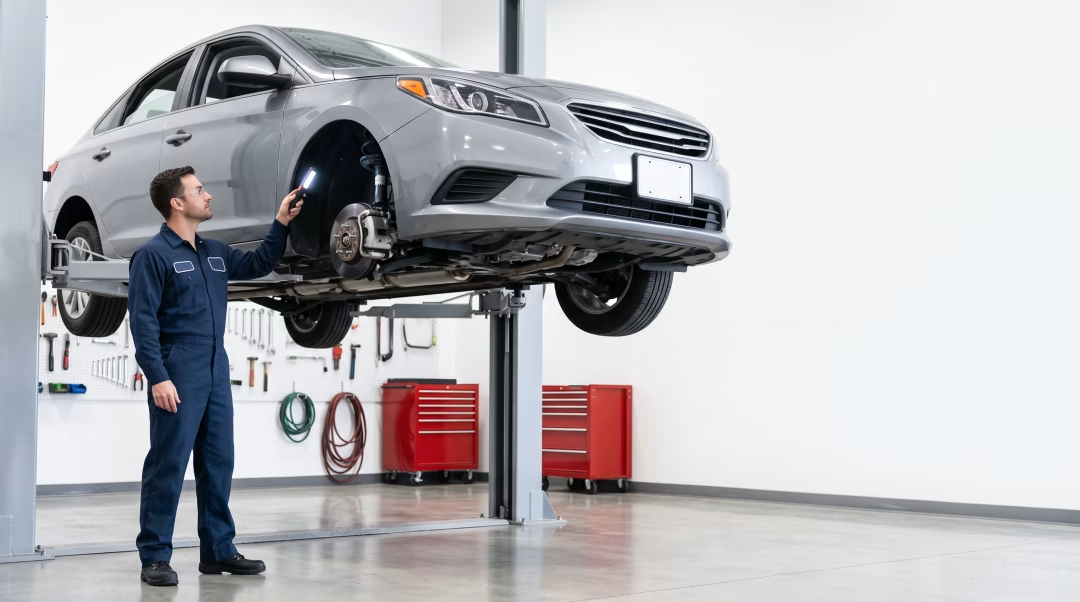
Regardless of what the history report says, the single most important step you can take when considering a car with a prior accident is to have it inspected by a qualified, independent mechanic. This is often called a Pre-Purchase Inspection (PPI). A skilled mechanic can see beyond a shiny coat of paint and identify the true quality of the repair work.
During a PPI, a mechanic will:
- Look for signs of frame or unibody damage and check if repairs were done to factory specifications.
- Check for inconsistent paint texture, overspray, or mismatched colors that indicate bodywork.
- Inspect suspension and steering components for damage or premature wear.
- Examine body panel gaps to ensure they are even and consistent, a key sign of proper alignment after a collision.
- Scan the vehicle’s computer for any stored fault codes, especially related to the SRS (airbag) system.
The cost of a PPI is a small price to pay for the peace of mind it provides. It can either confirm that you are getting a great, safely repaired vehicle or save you from a costly mistake. At our dealership, we are confident in the quality of our vehicles and welcome you to arrange for an independent inspection.
Making an Informed Decision
So, should you avoid a used car with a prior accident? The answer is no, not automatically. Instead, you should approach it as an educated consumer. By leveraging the vehicle history report, conducting a thorough visual inspection and test drive, and investing in a professional pre-purchase inspection, you can accurately assess the vehicle's condition. Doing so can allow you to purchase a newer, better-equipped, or lower-mileage vehicle than you could otherwise afford. It is all about finding the intersection of transparency, quality repairs, and excellent value. If you are ready to start the process, you can get pre-qualified for financing on our website or contact us to speak with a member of our team.
Is a car with a minor accident safe to buy?
Yes, a car with a minor, cosmetic accident that has been professionally repaired is typically just as safe as a car with no accident history. The key is "professionally repaired." An independent inspection can verify the quality of the work and ensure that no underlying structural components were affected, providing confidence in its safety and reliability.
How does an accident history affect a car's value?
An accident history almost always lowers a vehicle's resale value, even if the repairs were flawless. This is due to market perception, often referred to as "diminished value." For a buyer, this is a major advantage, as it allows you to purchase the vehicle for significantly less than an identical model with a clean history, giving you more car for your money.
Will I have trouble getting insurance for a car with a prior accident?
Generally, you will not have trouble insuring a car with a standard title that has been in an accident. The process is the same as for any other used car. However, if the vehicle has a "rebuilt" or "salvage" title, some insurance carriers may have restrictions or refuse to offer full coverage, so it is wise to check with your insurance provider before making a purchase.
What is the difference between a "salvage" and a "rebuilt" title?
A "salvage" title is issued when an insurance company declares a vehicle a total loss. It is illegal to drive a car with a salvage title on public roads. A "rebuilt" title is issued after a salvage vehicle has been repaired and passed a state-mandated safety inspection, making it legal to register and drive again. Rebuilt vehicles require the most thorough inspections before purchase.
Can I still finance a car that has been in an accident?
Yes, financing a vehicle with a prior accident and a clean title is typically no different from financing any other used car. Lenders are primarily concerned with the vehicle's current market value and your creditworthiness. At our dealership, we specialize in our financing area and work with many situations. You can even use our online tools to value my trade to see how much you can apply towards your purchase.
