

Recognizing the Signs Your Car
Battery is Failing in Hot Weather
While many drivers associate car trouble with icy winter mornings, the sweltering heat of a Texas summer is often the true culprit behind a dead battery. High temperatures can be even more damaging than the cold, accelerating the chemical reactions inside your battery and causing internal components to degrade much faster. This can lead to fluid evaporation and permanent damage, leaving you stranded at the worst possible time. Understanding the subtle warning signs your battery sends when it is struggling in the heat is crucial for avoiding an unexpected breakdown. Recognizing these symptoms early allows you to take proactive steps, ensuring your vehicle remains a reliable source of transportation. A little awareness can save you from the significant inconvenience and potential expense of being stuck with a car that will not start on a scorching hot day.
Being proactive about your vehicle's health starts with knowledge. Below, we dive deep into the specific symptoms of a heat-stressed battery, explain the science behind why summer is so tough on your car's electrical system, and provide actionable tips for extending your battery's life. This detailed guide will empower you to identify potential issues before they escalate, helping you make informed decisions about maintenance or when it might be time to consider a more dependable vehicle from our extensive used inventory.
A Deeper Look at Why Your Battery Dislikes the Heat
Your car's battery is a small but mighty box of chemical energy. It relies on a precise reaction between lead plates and sulfuric acid to generate the electrical current needed to start your engine and power your electronics. While cold weather can slow this reaction down, making it harder to produce power, extreme heat causes a far more destructive problem. High temperatures, like those we regularly experience in the Dallas area, dramatically speed up this chemical process. This acceleration leads to two major issues: the evaporation of the water in the battery's electrolyte solution and a faster rate of corrosion on the internal lead plates.
This internal degradation permanently reduces the battery's ability to hold a charge. Essentially, the heat is aging your battery prematurely. Every scorching summer day takes a toll, slowly chipping away at its performance capacity. That is why a battery that seemed fine in the spring can suddenly fail without warning during a July heatwave. For more information on this topic, see our article on how Dallas summer heat affects your car battery.
Key Warning Signs of a Failing Car Battery
Your vehicle will almost always give you clues that its battery is on its last legs. Paying attention to these signals can be the difference between a planned replacement and an emergency tow.
- Slow or Sluggish Engine Crank: This is the most common sign. When you turn the key or press the start button, the engine turns over more slowly than usual. It might sound like a tired "rur-rur-rur" instead of a crisp, quick start. This indicates the battery is struggling to deliver the necessary amperage to the starter motor.
- Dimming Lights and Electrical Glitches: A weak battery will have trouble powering all of your car's electronics simultaneously. You may notice your headlights and interior lights dim when you start the car or when the air conditioning kicks on. Your radio might cut out, or the power windows may operate more slowly.
- Dashboard Warning Light: Most vehicles have a dashboard warning light shaped like a battery. While this light can also indicate a problem with your alternator or another part of the charging system, it should never be ignored. If it illuminates, it is time for a professional diagnosis.
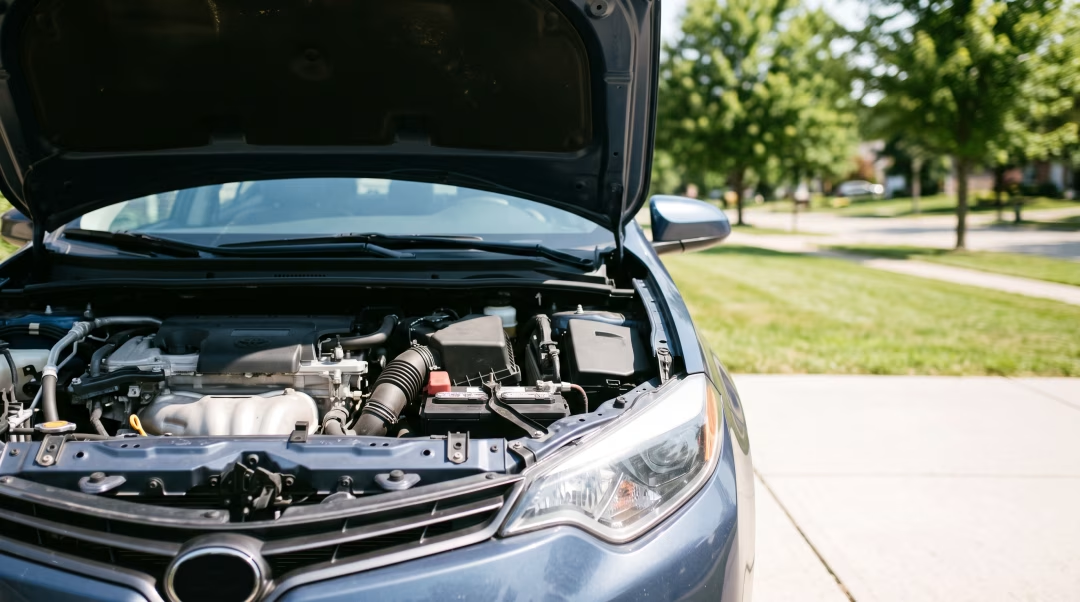
- Visible Corrosion on Terminals: Pop the hood and look at the battery's metal posts (terminals). If you see a white, blue, or greenish powdery substance, you have corrosion. This buildup can interfere with the electrical connection, preventing the battery from charging properly and delivering full power.
- Swollen or Bloated Battery Case: Extreme heat can cause the battery's casing to swell, warp, or crack. If you notice the sides of your battery are bulging, it's a sign of significant internal damage. This battery is unsafe and needs to be replaced immediately.
- A "Rotten Egg" Smell: A distinct sulfur-like odor around the battery is a serious red flag. This smell is caused by sulfuric acid leaking from the battery, often due to overcharging or internal damage. This is a hazardous situation, as the leaking gas is flammable.
- Old Age: Car batteries are not meant to last forever. The average lifespan in a hot climate like North Texas is typically just two to four years. If your battery is approaching this age range, it is wise to have it tested and consider a proactive replacement.
Preventive Care and When to Seek Help
You can take several steps to maximize your battery's lifespan. Whenever possible, park your car in a garage or shaded area to protect it from direct, intense sunlight. Regularly inspect the terminals for corrosion and clean them with a wire brush and a mixture of baking soda and water if needed. Ensure the battery is securely fastened in its tray, as excessive vibration can shorten its life. If your driving consists mainly of short trips, try to take a longer drive at least once a week to allow the alternator to fully recharge the battery.
If you experience any of the signs listed above, it is best to have your battery and charging system tested by a professional. Sometimes, the issue may be a failing alternator that is not properly recharging the battery. If your current vehicle is facing persistent electrical issues or other costly repairs, it might be the right time to evaluate your options. A failing battery can sometimes be the first sign of a car that is becoming less reliable. You can easily get an estimate of your current vehicle's worth on our value my trade page and explore dependable, quality-checked options in our inventory. At our dealership, every vehicle undergoes a thorough inspection, including a check of the battery and electrical system, before it is offered for sale. For more on what to check yourself, read our guide on how to check a used car's battery before buying.
Frequently Asked Questions About Car Batteries and Hot Weather
How long do car batteries typically last in Texas heat?
In a hot climate like North Texas, a car battery's lifespan is often shorter than the national average. While some batteries might last five years or more in cooler regions, drivers here should expect a typical lifespan of around two to four years. The constant high heat accelerates internal degradation, significantly reducing its service life.
Is it the heat or the cold that is worse for a car battery?
While cold weather can make it harder for a battery to start a car, hot weather is far more damaging to the battery itself. Heat causes permanent internal damage by speeding up corrosion and evaporating the electrolyte fluid. Cold merely reduces the battery's available power temporarily, while heat shortens its overall lifespan.
Can a weak battery cause other electrical problems in my car?
Yes, absolutely. A failing battery can cause a wide range of seemingly unrelated electrical issues. You might experience flickering dashboard lights, a malfunctioning radio, slow-moving power windows, or even problems with the car's computer systems. The battery is the foundation of your vehicle's electrical system, and when it is weak, other components can behave erratically.
What does the corrosion on my battery terminals mean?
The crusty, powder-like substance on your battery terminals is typically dried sulfuric acid that has vented from the battery. This corrosion creates a layer of insulation that can prevent a solid electrical connection. This resistance can stop the alternator from properly charging the battery and prevent the battery from delivering enough power to start the car.
Can I replace my car battery myself?
While it is possible for someone with mechanical experience to replace a car battery, it can be more complex on modern vehicles. Many cars have specific procedures for battery replacement to avoid resetting the onboard computer systems. It is also crucial to handle old batteries with care and dispose of them properly, as they contain hazardous materials. For most drivers, having a professional handle the replacement is the safest and easiest option.
