

What Are the Window
Tint Laws in Texas?
Driving in Texas means dealing with intense sun and heat. Window tinting is more than just a cosmetic upgrade; it is a practical solution for blocking harmful UV rays, reducing interior temperatures, and increasing privacy. However, before you decide to tint your windows, it is crucial to understand the specific regulations set by the state. Texas has clear laws regarding how dark your tint can be, which windows you can tint, and even the reflectivity of the film. These rules are in place to make sure of driver safety, allowing law enforcement to see inside a vehicle and making sure that the driver's visibility is not dangerously impaired, especially at night. Knowing these regulations helps you make an informed choice for your vehicle, avoiding potential fines and the inconvenience of having to remove illegal tint. Staying compliant means you can enjoy all the benefits of window tinting without any of the legal headaches.
Navigating the specifics of Texas window tint laws can seem complex, but compliance is key to a hassle-free driving experience. At our dealership, we take pride in our used inventory, and we pay close attention to details like window tint to make sure the vehicles we offer meet state requirements. If you have questions about the tint on a specific car or want to understand your options, our knowledgeable team is here to help. We believe an informed customer is a happy customer. Feel free to contact us for more information.
A Detailed Guide to Texas Window Tint Regulations
Understanding the legal requirements for window tint in Texas is essential for every vehicle owner. The laws are primarily based on a measurement called Visible Light Transmittance (VLT). VLT is the percentage of visible light that can pass through your window glass and tint film. A lower VLT percentage means a darker tint. Texas law specifies different VLT requirements for different windows on your vehicle to balance comfort, privacy, and safety.
Failure to comply with these state laws can result in citations, fines, and a failed state inspection. It is important to know that these regulations apply to cars, trucks, and SUVs, though there are some slight variations. Let us break down the specific rules so you can make sure your vehicle is legally tinted.
VLT Rules for Passenger Cars and SUVs
For most sedans, coupes, hatchbacks, and SUVs, the laws are straightforward. The goal is to allow for sun protection while maintaining a clear line of sight for the driver and for law enforcement officers during a traffic stop.
- Front Windshield: You are not allowed to apply tint to the entire windshield. However, you can have a non-reflective tint strip on the top 5 inches of the windshield or above the manufacturer’s AS-1 line, whichever is less. This helps reduce sun glare without obstructing your view of the road.
- Front Side Windows: These are the windows for the driver and front passenger. They must allow more than 25% of light in. This means the VLT rating must be 25% or higher.
- Rear Side Windows: For the windows next to the back seats, Texas law permits any level of darkness. You can use a tint with a VLT as low as you prefer.
- Rear Window: Like the rear side windows, the back windshield can be tinted to any degree of darkness. However, if the rear window is tinted, state law requires your vehicle to have two functional side-view mirrors.
Understanding Tint Reflectivity and Colors
Beyond just the darkness, Texas law also regulates how reflective your window tint can be. Highly reflective, mirror-like tints can be hazardous to other drivers by creating excessive glare. For this reason, the tint on your front and rear side windows cannot be more than 25% reflective.
The color of the tint is also restricted. While most common tint colors like black, gray, and charcoal are perfectly acceptable, some colors are prohibited. In Texas, you are not allowed to use red, blue, or amber tint on your windows, as these colors are reserved for emergency and official vehicles.
Medical Exemptions for Darker Tint
Texas recognizes that some individuals have medical conditions that require additional protection from the sun. If you have a condition such as lupus, photosensitivity, or other diagnoses that necessitate darker window tint, you may be eligible for a medical exemption. To get an exemption, you must have a signed medical statement from a licensed physician or optometrist. This statement must be carried in the vehicle at all times.
An exemption allows for darker tint on the front side windows and the windshield but does not provide a blank check for any level of tint. The specific allowances should be discussed with your medical provider and tint installer. Even with an exemption, safety and visibility remain important considerations. If you are exploring financing options for a vehicle you may need to modify, check out our resources on what is Buy Here Pay Here financing.
Compliance Stickers and Penalties
Legally tinted vehicles in Texas must have a small, transparent sticker displayed on the inside of the driver's side window. This label identifies the tinting company and certifies that the tint meets all state legal requirements for VLT and reflectivity. This is an important detail that law enforcement officers look for during inspections.
Driving with illegal window tint is considered a misdemeanor offense. The penalties can range from a warning to a fine that can cost you hundreds of dollars. In addition to the fine, you will be required to remove the non-compliant tint and bring your vehicle into compliance, which is an added expense and hassle. Making sure the tint on any vehicle, including those from our extensive home page inventory, is legal from the start is the best approach.
Verifying Tint on a Used Vehicle
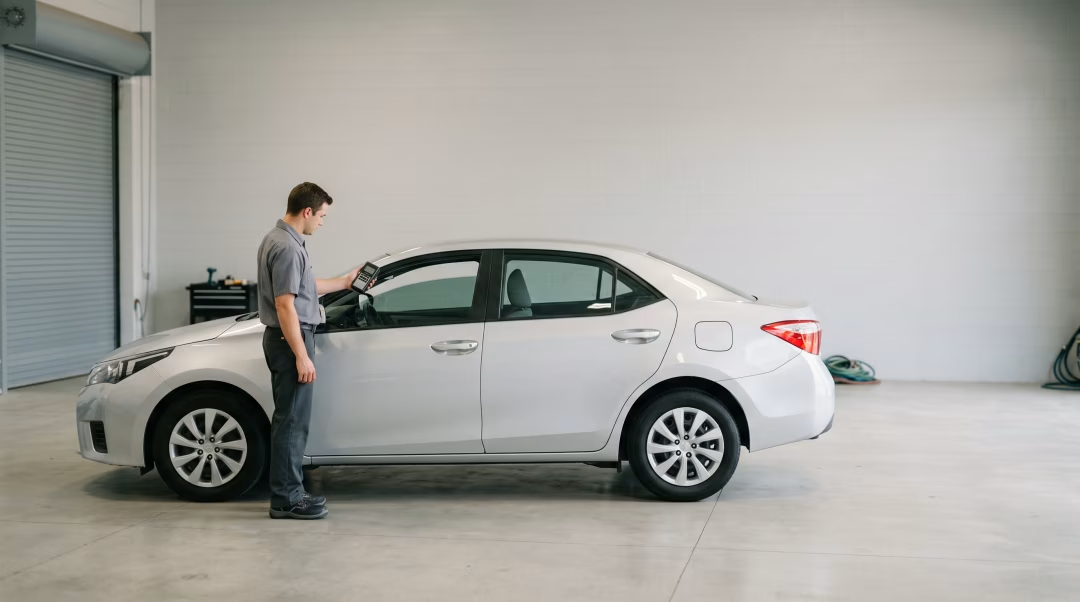
When you purchase a used car, it may already have window tint installed. It is important not to assume that the existing tint is legal. Before you finalize a purchase, you should have the tint checked. A reputable dealership will make sure that the vehicles on its lot comply with state laws. Law enforcement and official inspection stations use a VLT meter, a small device that measures the amount of light passing through the window. This provides an accurate and indisputable reading. Taking this simple step can prevent future legal issues and expenses. For more answers to common car-buying questions, our financing frequently asked questions page is a great resource.
What does VLT mean for window tint?
VLT stands for Visible Light Transmittance. It is the percentage of visible light that is able to pass through both the window glass and the tint film. A lower VLT percentage indicates a darker tint. For example, a 25% VLT means that 25% of outside light can get through.
Can I tint my entire front windshield in Texas?
No, you cannot tint the entire front windshield in Texas. The law only permits a non-reflective tint strip on the top five inches of the windshield or above the manufacturer's AS-1 line, whichever measurement is shorter.
Are there medical exceptions to Texas window tint laws?
Yes, Texas law allows for medical exemptions for individuals with certain conditions that require extra protection from sunlight. To qualify, you must obtain a signed statement from a licensed physician or optometrist and keep it in your vehicle at all times.
What happens if my window tint is too dark in Texas?
If your window tint is found to be darker than the legal limit, you can be issued a traffic citation. This is a misdemeanor offense that can result in a fine. You will also be required to remove the illegal tint from your vehicle to bring it into compliance with state law.
Do I need a sticker for my window tint in Texas?
Yes, vehicles with aftermarket tint in Texas are required to have a certification label. This small sticker is placed between the film and the glass on the driver's side window and certifies that the tint meets all legal VLT and reflectivity requirements.
