

What Does a Rebuilt
Title Mean in Texas?
When you are shopping for a used car in Texas, you will encounter various types of vehicle titles. One that often raises questions is the "rebuilt" title. Understanding what this designation means is crucial for making an informed purchase. A rebuilt title is issued to a vehicle that was previously declared a total loss by an insurance company and issued a salvage title. This typically happens after significant damage from a collision, flood, hail, or theft. Before it can be legally driven on Texas roads again, the vehicle must be repaired and pass a comprehensive inspection by the Texas Department of Motor Vehicles (TxDMV). This process verifies that the vehicle is structurally sound and safe to operate. A rebuilt title signifies that the car has been restored from a salvage state to a roadworthy condition, often presenting a unique opportunity for savvy buyers looking for value.
While a rebuilt title indicates a car has passed Texas safety standards, it is important for buyers to perform their due diligence. These vehicles can offer significant savings compared to models with clean titles, but their history requires careful consideration. Knowing the right questions to ask and what to look for can help you determine if a rebuilt vehicle is the right choice for your needs and budget. At our dealership, we believe in transparency and are here to help you navigate your options with confidence.
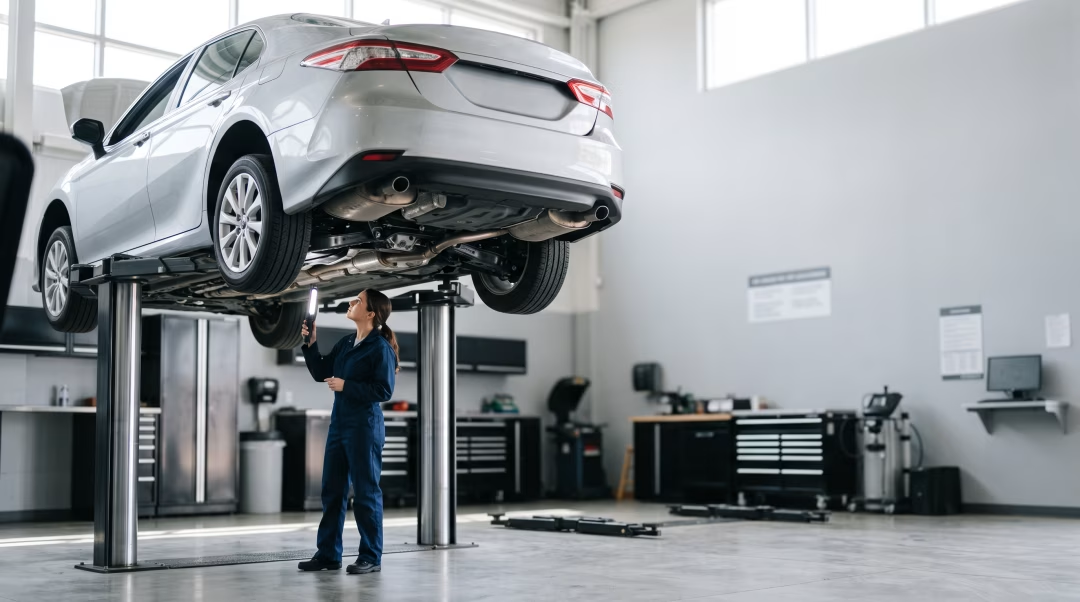
A Deep Dive into Texas Rebuilt Titles
Navigating the world of used car titles can feel complex, but understanding the terminology is the first step toward finding the perfect vehicle for your situation. In Texas, a rebuilt title is a specific legal designation for a car with a documented history of significant damage. It is not something to be feared, but it does require a closer look. The journey of a vehicle to receiving a rebuilt title is a multi-step process regulated by the state to protect consumers and ensure road safety for everyone.
It all begins when a vehicle is branded with a salvage title. An insurance company will declare a vehicle a "total loss" when the cost of repairs exceeds a certain percentage of its pre-damage value. This can be due to many reasons, including a major accident, extensive hail damage, flood immersion, or even theft and subsequent recovery. Once a car has a salvage title, it is illegal to operate it on public roads in Texas. It can only be sold for parts or to a licensed rebuilder who intends to repair it.
The Path from Salvage to Rebuilt in Texas
For a salvage vehicle to become roadworthy again, it must be meticulously repaired. A licensed rebuilder must restore the vehicle to a safe, operational condition, adhering to manufacturer specifications and state regulations. This involves more than just cosmetic fixes; it requires addressing all structural, mechanical, and safety-related damage. The rebuilder is required to keep detailed records of the repairs, including receipts for all new and used parts that were installed on the vehicle.
After the repairs are complete, the vehicle cannot simply be put back on the road. It must undergo a rigorous inspection at a TxDMV-approved facility. This is not the same as the annual state safety inspection. The rebuilt vehicle inspection is a much more thorough examination designed to confirm the vehicle's identity and ensure it was repaired using legitimate parts and sound methods. The inspector will check the vehicle identification numbers (VINs) on various components to ensure no stolen parts were used and will assess the overall quality of the repair work. Only after passing this comprehensive inspection can the owner apply for a new title, which will be branded as "Rebuilt Salvage." This permanent brand on the title informs all future owners of the vehicle's past history.
Advantages and Disadvantages of Buying a Rebuilt Title Car
Considering a vehicle from our used inventory that has a rebuilt title? It is essential to weigh the pros and cons carefully. The most significant advantage is the price. Rebuilt title vehicles are typically priced considerably lower than their clean-title counterparts, sometimes 20% to 40% less. This discount can allow you to purchase a newer model, a higher trim level, or a vehicle with more features than you might otherwise be able to afford. If the repairs were done professionally and to a high standard, you could get a reliable and safe vehicle for a fraction of the cost.
However, there are potential disadvantages to consider. The primary concern for most buyers is the uncertainty about the quality of the repairs. If the work was not done correctly, the vehicle could have lingering issues that might be expensive to fix or could compromise its safety. Another challenge can be with financing and insurance. While we specialize in helping customers find financing solutions, some traditional lenders are hesitant to finance rebuilt title cars due to their unpredictable value. Similarly, some insurance companies may only offer liability coverage rather than full coverage, or they might charge higher premiums. Finally, the resale value of a rebuilt title car will always be lower than a similar car with a clean title, which is an important factor if you plan to sell or trade the vehicle in the future.
Your Checklist for Buying a Rebuilt Vehicle in Texas
If you decide a rebuilt title car might be right for you, approaching the purchase with a clear strategy is key. Being an informed buyer is your best asset. Here are the essential steps every potential buyer should take:
- Request All Documentation: Ask the seller for all records related to the vehicle's history. This should include photos of the car before repairs, a detailed list of the repairs performed, and receipts for all parts used. Transparency is a good sign.
- Obtain a Vehicle History Report: A vehicle history report from a service like CarFax or AutoCheck is non-negotiable. It will provide details about the original damage, confirm the salvage title issuance, and may offer other insights into the car's past.
- Get an Independent Pre-Purchase Inspection (PPI): This is arguably the most important step. Have a trusted, independent mechanic conduct a thorough pre-purchase inspection. They can assess the quality of the repairs, check for frame damage, and identify potential mechanical or electrical problems that are not visible to the naked eye.
- Discuss Financing and Insurance Early: Before you commit, speak with your insurance agent to understand what coverage options are available and what the premiums will be. If you need financing, it helps to get pre-qualified and discuss the vehicle's title status with your potential lender upfront.
A rebuilt title car in Texas can be a fantastic value, but it is a purchase that requires extra homework. By understanding the process, weighing the risks and rewards, and taking a methodical approach to your inspection and research, you can make a smart decision and drive away in a reliable vehicle that fits your budget. If you have any questions, do not hesitate to contact us. Our team is here to provide the information you need.
Can you get financing for a rebuilt title car in Texas?
Yes, it is possible to get financing for a rebuilt title car, but it can be more challenging than with a clean-title vehicle. Many traditional banks and credit unions have policies against lending on rebuilt titles due to their diminished and less predictable value. However, dealerships that offer in-house financing, like ours, often have more flexible criteria and are experienced in handling these situations. We recommend exploring our financing options to see how we can assist you.
Is car insurance more expensive for a rebuilt title vehicle?
Insurance costs for rebuilt title vehicles can vary. Some insurance providers may charge higher premiums because the vehicle's prior damage makes it a higher risk in their view. Others might limit the type of coverage you can purchase, sometimes offering only liability instead of full comprehensive and collision. It is crucial to shop around and get quotes from multiple insurance companies before you buy the car to understand the full cost of ownership.
How is a rebuilt title different from a salvage title?
A salvage title and a rebuilt title represent two different stages in a damaged vehicle's life. A salvage title is issued when a car is declared a total loss, and it is illegal to drive on public roads. A rebuilt title is issued only after a salvage vehicle has been professionally repaired and has passed a specific, thorough state inspection to be deemed roadworthy again. In short, a salvage car is a damaged project; a rebuilt car is a completed project that is legal to drive.
Can I trade in a car with a rebuilt title in Texas?
Yes, you can trade in a vehicle with a rebuilt title. However, you should expect its trade-in value to be significantly lower than a comparable model with a clean title. The exact value will depend on the vehicle's condition, the quality of the repairs, and the specific policies of the dealership. When you are ready to upgrade, you can use our online tool to value your trade and get an initial estimate.
Is it safe to buy a car with a rebuilt title?
A rebuilt title vehicle can be perfectly safe if the repairs were performed correctly by a competent professional. The entire purpose of the Texas rebuilt vehicle inspection process is to ensure the car is structurally sound and safe for operation. The key to a safe purchase is due diligence. A comprehensive pre-purchase inspection by a qualified, independent mechanic is the best way to verify the quality of the repair work and the overall safety of the vehicle before you make a final decision.
