

What to Do
After Hitting a Pothole
The sudden, jarring thud of hitting a pothole is a sound every driver dreads. That split-second impact can leave you wondering about the extent of the damage to your vehicle. While a flat tire is an immediate and obvious consequence, many other issues are not so easy to spot on the side of the road. Hitting a pothole can knock your wheels out of alignment, damage sensitive suspension components, or even crack a wheel rim. Understanding what to look for right after the incident and in the days that follow is crucial for your safety and your car's health. Taking a few moments to safely assess the situation can help you identify potential problems early, preventing more expensive repairs down the line. Knowing these steps helps you stay in control of the situation and make informed decisions about your vehicle's care and potential repair needs. It is about turning a stressful moment into a manageable process.
After a thorough inspection, you might find the damage is minor, or you might be facing a significant repair bill. This is often a critical decision point for any vehicle owner, especially if the car is older or has high mileage. You have to weigh the cost of the repairs against the overall value and reliability of your car. If you are concerned that the repair costs are approaching the value of your vehicle, it may be a practical time to explore other options. You can easily value your trade and see how that amount could be applied toward a dependable vehicle from our used inventory.
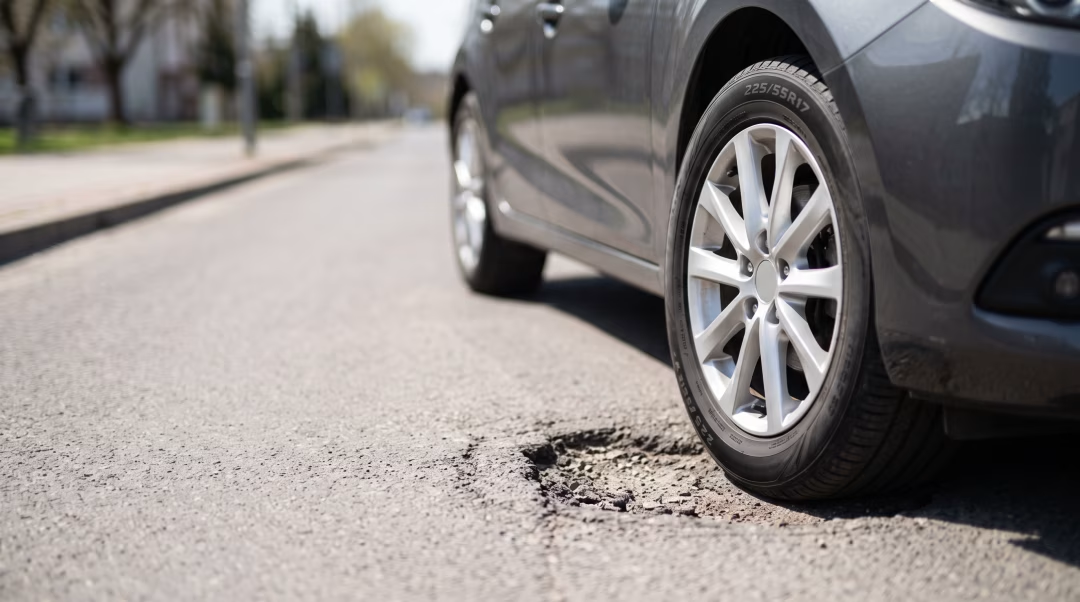
Your Step-by-Step Guide After a Pothole Encounter
That unmistakable impact with a pothole can do more than just rattle your nerves; it can inflict serious and sometimes hidden damage on your car. The force of your vehicle's weight dropping into a cavity in the road puts immense stress on your tires, wheels, and suspension system. Knowing what to do in the moments and days after hitting a pothole is key to ensuring your safety and mitigating repair costs. This guide will walk you through the process, from the initial roadside check to identifying subtle warning signs that may appear later.
Immediate Actions: What to Do Right Away
Your immediate priority is safety. As soon as it is safe to do so, pull over to a secure location away from traffic, like a parking lot or a wide shoulder. Turn on your hazard lights. Before getting out of the car, be aware of your surroundings. Once you are safely parked, perform a quick visual inspection. Look closely at the tire that took the brunt of the impact. Is it deflating? Do you see any noticeable bulges or gashes on the sidewall? Check the wheel rim for any visible cracks, chips, or bends. If you have a flat tire, you will need to know how to change it. If you see any severe damage or are unsure about the car's safety, it is best to call for roadside assistance rather than risk driving.
Common Types of Pothole Damage
Potholes can cause a range of problems, from minor to severe. Being aware of the most common types of damage can help you know what to look and listen for after an impact.
- Tire Damage: This is the most frequent issue. A sharp pothole edge can slice the rubber, cause a pinch flat, or create a bulge on the sidewall when the internal layers are damaged. A sidewall bulge is a serious safety hazard and means the tire must be replaced immediately.
- Wheel and Rim Damage: The force of the impact can bend, chip, or crack your wheel rims. A bent rim can prevent the tire from sealing properly, leading to a slow air leak, and can also cause vibrations while driving. Cracked alloy wheels are particularly dangerous and often cannot be safely repaired.
- Suspension and Alignment Issues: Your car's suspension is designed to absorb impacts, but a severe jolt can be too much. It can knock your wheels out of alignment, leading to the car pulling to one side. It can also damage components like ball joints, control arms, shocks, and struts, resulting in poor handling and uneven tire wear. Learning the signs your car needs a wheel alignment is crucial.
- Exhaust System Damage: If the pothole is deep enough, your car's undercarriage can make contact. The exhaust pipes run along the bottom of your vehicle and are vulnerable to being dented, bent, or even punctured. A damaged exhaust can lead to strange noises and potentially allow harmful fumes to leak.
- Body and Undercarriage Damage: Low-riding cars are especially at risk for cosmetic damage to bumpers and side skirts. The impact can scrape or crack these components. More importantly, check for any fluid leaks under the car, which could indicate damage to the oil pan or other critical parts.
Warning Signs to Watch For in the Following Days
Even if your initial inspection reveals no obvious problems, some damage only becomes apparent with time. Pay close attention to how your car drives and feels over the next few days. Does the steering wheel vibrate or shake, especially as you increase your speed? Does the car seem to drift or pull to the left or right when you are trying to drive straight? Listen for any new or unusual noises, such as clunking, rattling, or squeaking, particularly when you drive over bumps or make turns. A steering wheel that is no longer centered when you are driving in a straight line is another clear indicator that your alignment has been affected. If you notice any of these symptoms, it is essential to have your vehicle inspected by a professional. Finding a trustworthy mechanic in Dallas can help you get an accurate diagnosis.
When Repair Costs Are Too High
Unfortunately, a single bad pothole can lead to a cascade of repairs. A bent rim, a new tire, a wheel alignment, and a damaged suspension component can add up to a substantial bill. For owners of older, high-mileage vehicles, this can create a difficult choice. If the cost to repair the pothole damage is a significant percentage of your car's total value, it may not be a sound financial decision. This is a good time to objectively assess your situation. You can get a clear idea of your vehicle's current worth by using our online Value My Trade tool. This information can empower you to decide if investing in costly repairs is worthwhile, or if it makes more sense to apply that money toward a newer, more reliable vehicle. Our team is always here to help you explore your options without pressure. Feel free to contact us with any questions.
Can a single pothole total my car?
While it is uncommon, it is possible for a severe pothole impact to cause enough damage to total a vehicle, especially if the car has a low market value. If the impact leads to significant structural or multiple system failures (e.g., suspension, steering, and engine cradle damage), the repair costs could exceed the car's actual cash value, leading an insurance company to declare it a total loss.
Do I always need a wheel alignment after hitting a pothole?
Not always, but it is highly recommended. A hard impact is one of the primary causes of wheel misalignment. Even if you do not feel the car pulling to one side immediately, the alignment could be slightly off. Driving with poor alignment can cause premature and uneven tire wear, costing you more money in the long run. It is a good practice to have it checked.
What is the most common damage from hitting a pothole?
Tire and wheel damage are the most common issues. The tire's sidewall can bulge or blow out, and the wheel rim can get bent or cracked from the sharp, forceful impact. These components are on the front line and absorb the initial shock, making them the most vulnerable parts of your vehicle when you encounter a pothole.
How can I tell if my wheel is bent and not just the tire damaged?
A bent wheel often causes a persistent vibration that you can feel in the steering wheel or through the seat, which typically gets worse as you increase speed. You might also notice a slow, recurring air leak in the tire. A visual inspection may reveal a dent or bend along the inner or outer lip of the rim, but sometimes the bend is subtle and requires the wheel to be spun on a balancing machine to be detected.
Should I report the pothole that damaged my car?
Yes, it is a good idea to report the pothole to your local municipality's public works or transportation department. Reporting it helps get the hazard repaired, preventing other drivers from suffering the same fate. In some jurisdictions, you may even be able to file a claim for damages, though the process and likelihood of reimbursement can vary widely. Note the exact location, time, and take pictures if it is safe to do so.
