

What to Do if
Your Car Is Broken Into
Discovering your car has been broken into is a violating and stressful experience. That sinking feeling can quickly turn to panic as you wonder what to do next. The most important thing is to stay calm and follow a clear set of steps to protect yourself and manage the situation effectively. Your immediate safety is the top priority, followed by securing your vehicle and documenting the incident for police and insurance purposes. This guide is designed to walk you through the process, from the initial moments of discovery to getting your vehicle repaired and back on the road. Knowing what to do ahead of time can make a difficult situation feel more manageable. Whether it is a shattered window or a missing stereo, taking methodical action will help you regain control and start the recovery process. Remember to breathe, assess your surroundings, and then begin taking the necessary steps outlined here. We are here to help if you have any questions, so please do not hesitate to contact us.
Once you have filed a police report and contacted your insurance provider, the next phase involves dealing with the aftermath. This includes getting your car repaired and considering long-term security. A break-in can leave you feeling unsafe in your own vehicle, and sometimes the damage is significant enough to warrant a change. If you find yourself in a position where replacing your car is the best option, we invite you to explore our used inventory. We offer a wide selection of reliable vehicles to help you get back on the road with peace of mind.
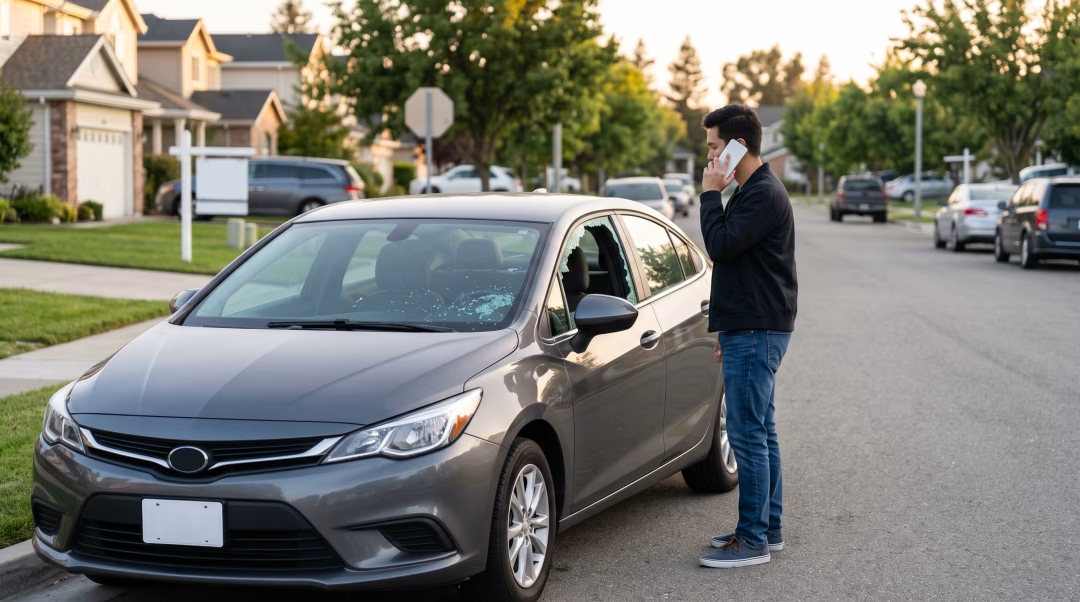
Your Step-by-Step Guide After a Car Break-In
A car break-in can happen to anyone, anywhere. While it is a frustrating and often unsettling event, having a clear plan can significantly reduce the stress involved. The following steps provide a comprehensive roadmap to navigate the process efficiently and ensure you have covered all your bases for legal, insurance, and personal security purposes.
Step 1: Prioritize Your Safety
Before you do anything else, take a moment to assess your surroundings. If you believe the perpetrator might still be nearby, do not approach your vehicle. Move to a safe location, like a well-lit public area or back inside your home, and call 911 immediately. Your personal safety is far more valuable than any possession inside the car. Do not attempt to confront anyone. Let the authorities handle the situation.
Step 2: Document the Scene (Without Touching Anything)
Once you are certain it is safe to approach your vehicle, resist the urge to open doors or touch anything inside. The police may want to check for fingerprints or other evidence. Instead, use your smartphone to take pictures and videos of the damage from multiple angles. Capture images of:
- The point of entry (e.g., shattered window, damaged door lock).
- The condition of the interior, showing any disarray or missing items.
- Any damage to the exterior of the vehicle.
- The surrounding area, including your car's location.
This visual evidence will be invaluable for both your police report and your insurance claim.
Step 3: File a Police Report
Contact your local police department's non-emergency line to report the break-in. An officer will likely be dispatched to your location to take a statement and examine the scene. Be prepared to provide your driver's license, vehicle registration, and proof of insurance. Filing a police report is a critical step; most insurance companies require a report number to process a claim related to theft or vandalism. When the officer arrives, describe exactly what you saw and what you believe is missing. Be as detailed as possible. Once the report is filed, make sure to get a copy of it or at least the report number for your records.
Step 4: Create a List of Stolen Items
While you wait for the police or after they have left, carefully go through your vehicle and make a comprehensive list of everything that was stolen. Include as much detail as you can remember for each item, such as the brand, model, serial number, and estimated value. Common items stolen from cars include electronics (laptops, phones, GPS devices), wallets, purses, sunglasses, and personal documents. If your vehicle registration or insurance card was taken, make a note of that as well. This list will be essential for your insurance claim and can be added as an update to your police report.
Step 5: Notify Your Insurance Company
Call your auto insurance provider as soon as possible to report the incident. Let them know you have filed a police report and provide the report number. Your agent will explain your coverage and the next steps for filing a claim. Damage to the vehicle itself, like a broken window or a damaged ignition, is typically covered under the comprehensive portion of your auto policy. It is important to note that personal items stolen from the car are usually not covered by auto insurance. Instead, these items are often covered by your homeowner's or renter's insurance policy. You may need to file a separate claim with that provider. Be sure to ask your agent about your deductible and how the claim might affect your future premiums.
Step 6: Secure Your Identity and Finances
If your wallet, purse, or any documents containing personal information were stolen, you must act quickly to prevent identity theft.
Cancel Credit and Debit Cards: Immediately contact your banks and credit card companies to report the cards as stolen. They will cancel the old cards and issue new ones. Monitor your accounts closely for any fraudulent activity.
Address Stolen Documents: If your driver's license was stolen, contact your state's Department of Motor Vehicles (DMV) to get a replacement. If your Social Security card was taken, you should place a fraud alert on your credit reports with the three major credit bureaus: Equifax, Experian, and TransUnion. You might also want to read our article that discusses what to do if identity theft damaged your credit.
Step 7: Arrange for Vehicle Repairs
Once your insurance company gives you the go-ahead, you can start the repair process. Your insurer may have a list of preferred auto body shops, but you generally have the right to choose your own. It is a good idea to get estimates from a few different reputable shops. If a window was smashed, your immediate concern will be securing the vehicle from the elements. You can purchase temporary plastic window covers from an auto parts store until you can get it professionally repaired. For more tips on finding a reliable service provider, check out our guide on how to find a trustworthy mechanic in Dallas.
Step 8: Prevent Future Incidents
While no method is foolproof, you can take several steps to make your vehicle a less attractive target for thieves. Implementing these habits can provide greater peace of mind and reduce your risk of another break-in. Consider these preventative measures a part of your regular routine to enhance your vehicle's security. For more detailed information, see our article on how to protect your car from theft.
- Always lock your doors and close your windows, even if you are just leaving the car for a minute.
- Never leave valuables in plain sight. Store items in the trunk or take them with you.
- Park in well-lit, high-traffic areas whenever possible.
- Consider installing a car alarm or a visible anti-theft device like a steering wheel lock.
- Do not leave spare keys anywhere in or around your vehicle.
Does car insurance cover items stolen from my car?
Typically, auto insurance does not cover personal belongings stolen from your vehicle. The comprehensive coverage on your auto policy is designed to pay for damage to the car itself, such as broken windows or damaged locks. Personal items like laptops, phones, or purses are generally covered under your homeowner's or renter's insurance policy, subject to your deductible.
Will filing a claim for a break-in raise my insurance rates?
A comprehensive claim, which is what a break-in falls under, is less likely to raise your rates than a collision claim because you are not considered at fault. However, this can vary by insurance provider and state regulations. A history of multiple claims of any kind can potentially lead to higher premiums over time. It is best to discuss the potential impact with your insurance agent.
What should I do if my car keys were stolen?
If your keys were stolen, especially along with documents that show your address, you should consider having your car re-keyed. This involves changing the locks and reprogramming the key fobs, which can prevent the thief from returning to steal the vehicle itself. Contact a dealership or a qualified automotive locksmith to perform this service as soon as possible.
Do I still need to file a police report if nothing valuable was stolen?
Yes, you should always file a police report, even if it seems like only minor damage occurred and nothing significant was taken. Your insurance company will almost certainly require a police report number to process a claim for the damage. Additionally, reporting the crime helps law enforcement track patterns and potentially catch the perpetrators, which can help protect others in your community.
How can I secure my car if the window is broken and I can't get it fixed immediately?
For a temporary fix, you can secure the broken window with a heavy-duty plastic sheet and strong tape, like packing or duct tape. You can buy auto window cover kits at most auto parts stores. This will protect the interior from rain and debris. Be sure to remove any remaining glass shards from the window frame and interior before covering the opening. Park the car in a secure location, like a garage, if possible until it can be repaired.
