

What to Keep in Your
Car Emergency Kit in Texas
Driving in Texas presents a unique set of challenges that demand every driver be prepared. From the blistering summer heat on I-35 to sudden, intense thunderstorms in East Texas, the conditions can change in an instant. The sheer size of the state means you could find yourself on a long stretch of rural highway, miles from the nearest town. That is why having a well-stocked car emergency kit is not just a suggestion, it is a crucial part of responsible vehicle ownership. Being prepared for a flat tire, a dead battery, or a medical issue can turn a potentially dangerous situation into a manageable inconvenience. The first step toward road safety is always a dependable vehicle. If you are considering an upgrade, exploring a wide used inventory can help you find a car ready for the Texas roads. Your safety starts before you even turn the key.
Building the right kit is an investment in your safety and peace of mind. While it may seem like a long list, each item serves a critical purpose tailored to the specific demands of Texas driving. Assembling your kit does not have to be done all at once; you can build it over time. Having these tools and supplies on hand means you are ready to handle common roadside issues yourself or stay safe while waiting for help. Think of it as your personal roadside assurance plan, something every driver needs to have in place.
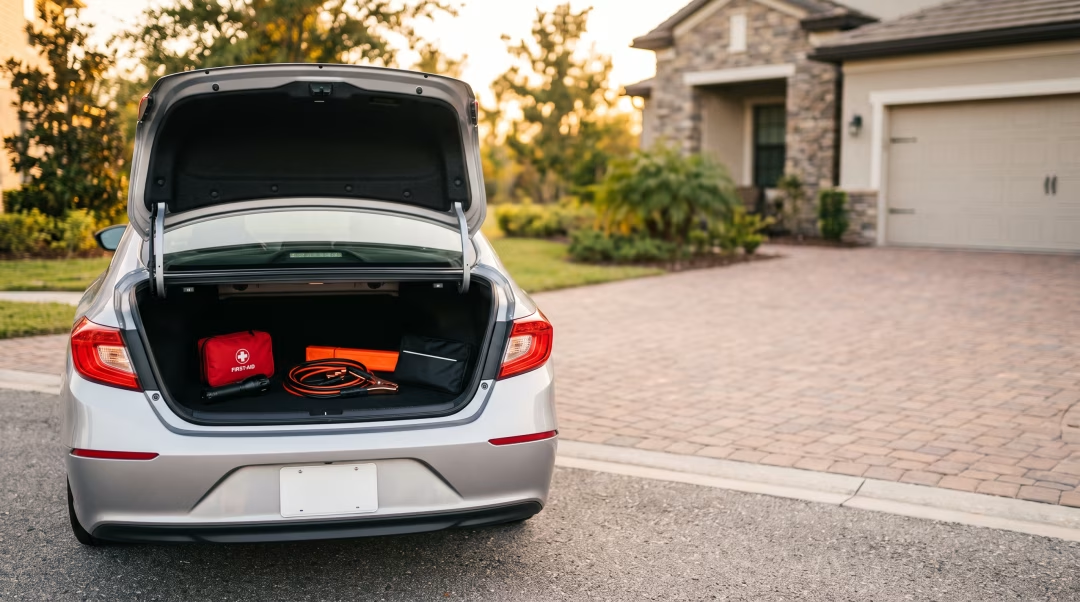
The Ultimate Texas Roadside Emergency Checklist
A comprehensive emergency kit is more than just a pair of jumper cables. It is a thoughtfully assembled collection of tools and supplies that can help you handle a wide range of situations. We have broken down the essentials into categories, making it easy for you to build a kit that prepares you for anything the Lone Star State throws your way.
Year-Round Vehicle Essentials
These are the foundational items every Texas driver should have in their vehicle at all times, regardless of the season. They address the most common mechanical and safety issues you might face on the road.
- Jumper Cables or a Portable Jump Starter: A dead battery can happen anywhere, and Texas heat is notoriously hard on them. Knowing how to jump-start a car safely is a critical skill, and having the right equipment is the first step.
- Tire Pressure Gauge and Portable Air Compressor: Extreme temperature swings can cause tire pressure to fluctuate. A simple gauge helps you monitor them, and a 12-volt compressor can inflate a low tire enough to get you to a service station.
- Spare Tire, Lug Wrench, and Jack: Confirm your vehicle has these and that you know how to use them. Before you need it, practice learning how to change a flat tire in your driveway. Ensure your spare tire is properly inflated.
- Basic Toolkit: A small kit with pliers, an adjustable wrench, and a multi-bit screwdriver can help with minor repairs like tightening a loose battery terminal.
- Flashlight with Extra Batteries: A reliable LED flashlight is essential for changing a tire at night or signaling for help. A headlamp can be even more useful, as it leaves your hands free.
- Reflective Triangles or Flares: If you are stopped on the side of the road, especially on a busy highway or a dark rural road, you need to be visible to other drivers.
- Work Gloves and Rags: A sturdy pair of gloves will protect your hands during repairs, and rags are invaluable for checking fluids or cleaning up.
Summer Kit Add-Ons for the Texas Heat
Surviving a breakdown in the Texas summer is primarily about surviving the heat. An engine failure on a 100-degree day can quickly become a serious health risk if you are not prepared. The summer heat affects every part of your car, and your emergency kit should reflect that reality.
- Extra Water: This is non-negotiable. Keep at least one gallon of water per person in your car. It is for drinking and can also be used in an overheating radiator in a dire emergency.
- Windshield Sunshade: If you must wait in your vehicle, a sunshade can significantly lower the interior temperature, making the wait more bearable.
- Cooling Towels: These simple, reusable towels can provide immediate relief from the heat when dampened with water.
- Battery-Powered Fan: A small, portable fan can make a huge difference in a stuffy car with no air conditioning.
Winter Weather Gear for a Surprise Freeze
While it may not happen often, a Texas ice storm can be incredibly dangerous, leading to widespread gridlock and treacherous road conditions. Adding a few key items to your kit during the winter months is a smart move.
- Blankets or a Sleeping Bag: If you are stranded for an extended period, staying warm is the top priority. A car engine cannot be run indefinitely for heat.
- Warm Clothing: Pack an extra hat, gloves, warm socks, and a waterproof jacket. Dressing in layers is key.
- Ice Scraper and De-Icer: Visibility is critical. A sturdy ice scraper is a must-have for any freezing precipitation.
- Cat Litter or Sand: These can provide crucial traction if your vehicle gets stuck on an icy patch.
Personal Safety and Communication
Beyond fixing your car, your kit needs to take care of you and your passengers. These items focus on first aid, communication, and basic comfort while you wait for assistance.
- First-Aid Kit: A well-stocked kit should include bandages, antiseptic wipes, pain relievers, gauze, and adhesive tape for handling minor injuries.
- Portable Phone Charger / Power Bank: Your phone is your primary link to help. A fully charged power bank ensures you can make calls and use GPS.
- Non-Perishable Snacks: Energy bars, nuts, or dried fruit can help keep your energy and spirits up during a long wait.
- Important Documents: Keep copies of your registration, proof of insurance, and emergency contact information readily accessible. You might also want to keep information regarding your financing, so you have everything in one place. You can learn more about what to keep in your car loan records on our blog.
How often should I check my car emergency kit?
It is a great practice to inspect your car emergency kit every six months. A good way to remember is to do it when you change your clocks for Daylight Saving Time. Check the expiration dates on food, water, and medical supplies, and test the batteries in your flashlight and any other electronic devices.
Is it better to buy a pre-made kit or build my own?
Both are good options. Pre-made kits offer convenience and a great starting point. However, building your own allows you to customize it to your specific needs, the Texas climate, and the potential needs of your family. Often, the best solution is to start with a pre-made kit and then add personalized items to it.
Where is the best place to store my emergency kit in my car?
The trunk is the most common and practical location for the bulk of your kit. Use a sturdy bag or plastic container to keep everything organized and secure. You may want to keep a few essential items, like a multi-tool, flashlight, and phone charger, in your glove compartment or center console for easier access.
What is the single most important item for a Texas car emergency kit?
While every item is important, water is arguably the most critical component for a Texas-specific kit, especially from late spring through early fall. Dehydration is a serious and rapid threat during a summer breakdown. Having an ample supply of water for drinking and potential radiator use is absolutely essential for your safety.
Should my kit change if I am driving in a rural vs. urban area of Texas?
Yes, you should consider your route. If you are driving in a rural area where cell service might be spotty and help is farther away, it is wise to pack extra water, food, and a more comprehensive first-aid kit. A physical paper map is also a great addition for areas with unreliable GPS signals. In urban areas, the focus might be more on items for visibility in heavy traffic, like extra reflective triangles.
