

What to Know Before Buying
a Used Convertible in Texas
The idea of driving through Texas with the top down is the picture of freedom, but buying a used convertible in the Lone Star State requires a unique set of considerations. The intense sun, sudden downpours, and year-round driving opportunities mean these vehicles face different challenges than their hardtop counterparts. Before you start imagining the wind in your hair, it is important to understand how our climate impacts a convertible’s specific components, from the roof mechanism to the interior materials. A smart shopper knows to look beyond the shiny paint and sleek lines. This guide will walk you through the essential checks and specific knowledge you need to make a confident purchase. By focusing on the roof, seals, and signs of weather-related wear, you can find a reliable and enjoyable drop-top that is ready for every scenic Texas highway. Making an informed decision now leads to countless miles of open-air enjoyment later.
Now that you are aware of the key inspection points for a used convertible, the next step is finding the right one for your lifestyle and budget. Our extensive used inventory features a variety of makes and models to suit your needs. We encourage you to explore your options online and when you are ready, schedule a test drive to experience one for yourself. Our team is here to help you through every step, from vehicle selection to exploring your financial options.
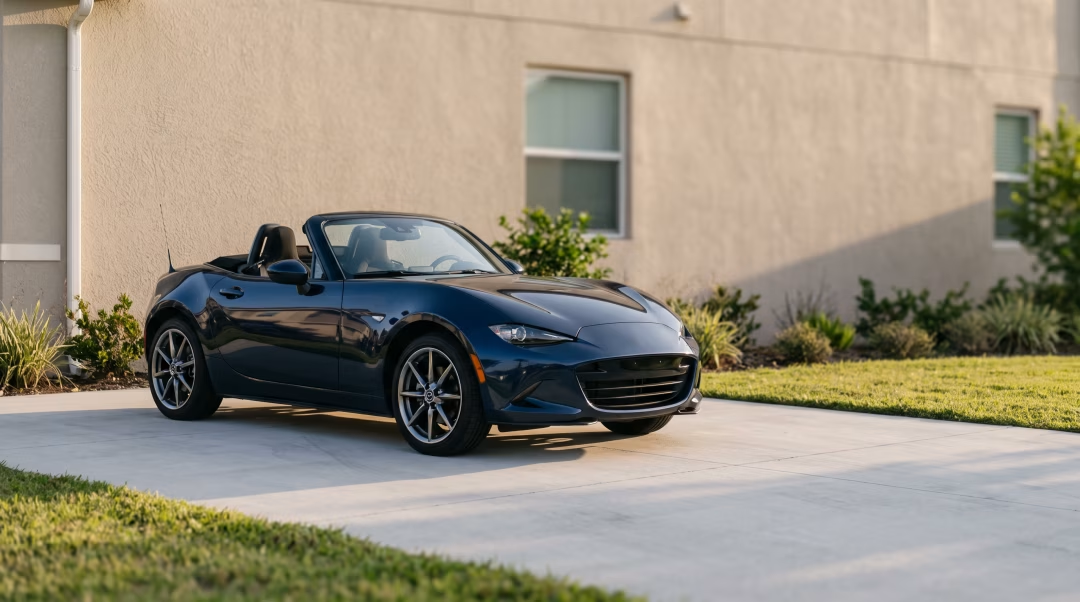
Your Comprehensive Guide to Purchasing a Pre-Owned Convertible in the Lone Star State
There is nothing quite like a convertible for maximizing the enjoyment of a beautiful Texas day. However, the very features that make them so appealing also require extra scrutiny during the buying process. The combination of intense UV rays, dramatic temperature swings, and the potential for severe weather means a convertible's most specialized parts, its roof and seals, are put to the test. A thorough inspection is your best strategy for avoiding costly future repairs and ensuring your new-to-you vehicle is a source of joy, not headaches. This deep dive will cover the critical areas you must examine before making a final decision.
Inspecting the Heart of the Convertible: The Top Mechanism
The retractable roof is the main event. Whether it is a classic fabric soft top or a modern retractable hardtop, its proper function is non-negotiable. Problems with the top mechanism can be complex and expensive to fix, so this inspection should be slow and methodical.
- Operate it Multiple Times: Do not just open and close the top once. Run it through a few full cycles. Go from fully closed to fully open and back again. Listen carefully during the entire process. Straining motors, grinding gears, or loud popping sounds are significant red flags.
- Check for Smooth Movement: The top should move at a consistent speed without hesitating, shuddering, or getting stuck. Watch to see if both sides are moving in sync. An uneven or jerky motion can indicate a problem with the hydraulic system, cables, or electronic sensors.
- Confirm a Secure Latch: When the top is fully closed, it should latch securely to the windshield frame without excessive effort. If it does not lock into place easily, or if you see a visible gap, it could point to alignment issues or a damaged frame. An improper seal here will lead to wind noise and water leaks.
The Unsung Hero: Weather Seals and Gaskets
The rubber seals around the windows, doors, and the roof itself are your only line of defense against rain and wind. In Texas, the sun can bake these components, causing them to become brittle, cracked, and shrunken over time. Compromised seals can lead to a noisy ride and serious water damage inside the cabin.
Carefully run your fingers along all the rubber seals. They should feel pliable and soft, not hard or chalky. Look for any visible tears, missing chunks, or areas where the seal has pulled away from the body. Pay special attention to the corners where different seals meet, as these are common failure points. While a "water test" with a hose is not always possible at a dealership, you can look for the evidence of past leaks. Check for water stains on the headliner, pillars, and seats. Lift the floor mats and feel the carpet for any dampness. Do not forget to check inside the trunk, especially in the spare tire well, as water can often pool there. Discovering these issues beforehand can save you from the frustrating task of hunting down a persistent leak, a problem discussed in resources like how to spot a flood damaged car in Texas.
Assessing Structural Integrity and Interior Condition
Convertibles lack the fixed roof that contributes significantly to a car's structural rigidity. To compensate, manufacturers add bracing to the chassis, but a hard life can still take its toll. During your used car test drive, listen for excessive squeaks, rattles, or groaning noises, especially when driving over uneven pavement or railroad tracks. These sounds can indicate chassis flex, which might suggest the car has been driven hard or has underlying structural issues. Also, check that the doors and trunk open and close smoothly without catching. Misalignment can be another sign that the car's body is no longer as rigid as it should be.
The interior of a convertible is more exposed to the elements than any other type of vehicle. The Texas sun is particularly harsh on dashboards, leather seats, and plastic trim. Look for deep cracks in the dashboard, a common and difficult repair. Check if the seat upholstery is faded, brittle, or cracking. While some wear is expected on a used vehicle, excessive sun damage can indicate that the car was frequently parked outside with the top down, exposing all surfaces to damaging UV rays. This constant exposure is similar to how the Dallas summer heat affects your car battery, slowly degrading components over time.
Financing and Protecting Your Investment
Once you have found a convertible that passes your rigorous inspection, the next step is figuring out the finances. Regardless of the body style, a wide range of financing options are available. Our team in our financing area can work with you to find a payment plan that fits your budget. You can even save time at the dealership by filling out a form to get pre-qualified online. It is also wise to think about long-term costs. Convertible top repairs can be more specialized than standard mechanical work, so it is a good idea to understand how to plan for unexpected car repair costs. Being prepared financially allows you to enjoy the open road with peace of mind.
Is a soft top or hardtop convertible better for Texas?
Both have pros and cons. Retractable hardtops offer better security, insulation, and a quieter ride, making them feel more like a regular coupe when closed. However, their mechanisms are more complex and can be more expensive to repair. Fabric soft tops provide a classic convertible look but are more vulnerable to sun damage and potential vandalism. A well-maintained soft top with a quality fabric can last for many years in Texas, but it requires more care, such as regular cleaning and application of UV protectant.
How can I effectively check for leaks in a used convertible top?
The best visual inspection involves looking for evidence of past leaks. Check for water stains on the interior fabric of the top (the headliner), along the door pillars, and around the windows. Pull back the floor mats and feel the carpet underneath for dampness or a musty smell. Also, be sure to check the trunk and the spare tire well, as water often collects in these low points. If you see any of these signs, it indicates a seal is likely compromised somewhere.
Are used convertibles more expensive to maintain than regular cars?
They can be, primarily due to the retractable roof system. The motors, hydraulic pumps, cables, and sensors that operate the top are specialized parts that can be costly to fix or replace if they fail. The rest of the car, including the engine, transmission, and brakes, will have maintenance costs similar to its hardtop equivalent. It is wise to budget for potential roof-related repairs as a part of the total cost of ownership.
Does the Texas sun really ruin a convertible's interior?
Yes, prolonged exposure to intense UV rays can cause significant damage. It can make dashboards crack, cause leather seats to fade and become brittle, and degrade plastic trim pieces. When inspecting a used convertible, look for these signs of sun damage. A car with a well-preserved interior likely belonged to an owner who garaged it or consistently used a sunshade and cared for the materials, which is a good sign for the vehicle's overall condition.
Can I get financing for a used convertible with less-than-perfect credit?
Many dealerships specialize in providing financing solutions for individuals with a wide range of credit situations. Having a steady income and a reasonable down payment can greatly improve your chances for an approval. We recommend speaking with a finance specialist who can review your specific circumstances and discuss the options available to you. You can start the process by completing an online application to see where you stand.
