

What Warning Lights Should Stop
You From Buying a Used Car?
The moment you find a used car that seems perfect is exciting, but a glowing light on the dashboard can quickly turn that excitement into uncertainty. These warning lights are your potential new vehicle's primary way of communicating its health, and ignoring them can lead to expensive and unexpected repairs down the road. Understanding which lights are minor issues versus which ones signal a critical problem is one of the most important skills you can have when shopping for a pre-owned vehicle. Think of this guide as your decoder ring for the dashboard. Knowing what to look for transforms you from a hopeful buyer into an informed one, allowing you to assess a car’s true condition and value. A few minutes of knowledge here can save you thousands of dollars and countless headaches, making your search for the perfect vehicle in our used inventory a much more confident experience.
While some dashboard lights indicate simple maintenance reminders, others are serious warnings that should never be overlooked. Recognizing the difference is key to protecting your investment and your safety. Our goal is to empower you with the knowledge to look past a shiny exterior and understand what is happening under the hood. By learning to identify the most critical warning lights, you can avoid purchasing a vehicle with pre-existing major issues and drive away with true peace of mind. Let us help you find a reliable car and explore your financing options by getting pre-qualified today.
Decoding the Dashboard: A Buyer's Guide to Warning Lights
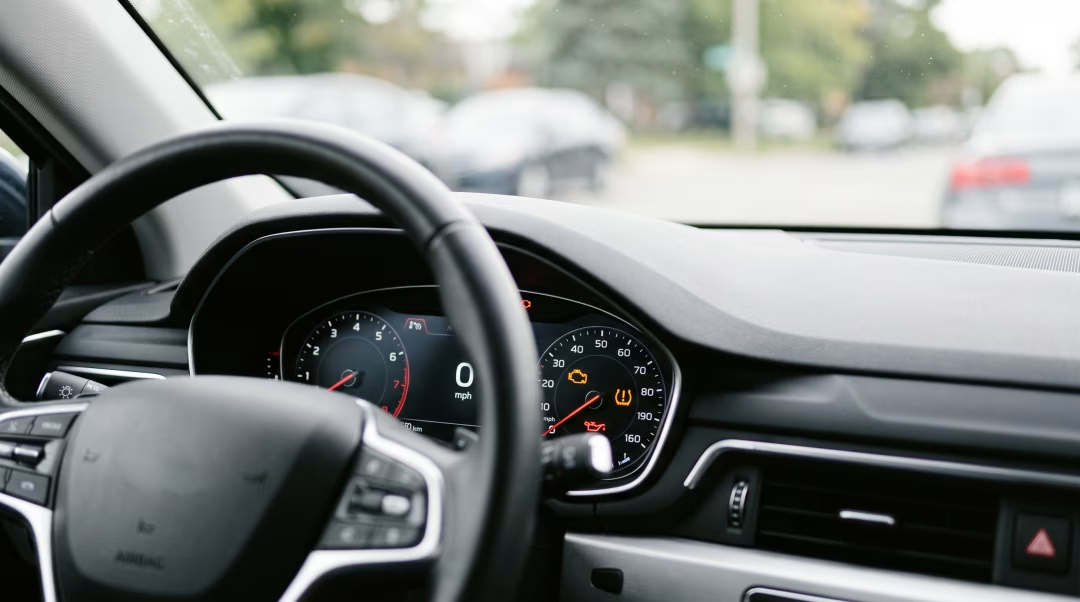
When you are evaluating a used car, the instrument cluster is one of the most honest storytellers on the lot. While a seller might tell you a car is in "great condition," the warning lights reveal the vehicle's own assessment of its internal systems. These symbols are not just decorative; they are tied to a complex network of sensors that monitor everything from your engine's performance to your safety systems. A car that has been properly maintained and reconditioned should have a clear dashboard after the initial startup check. If lights remain on, it is your cue to investigate further before you even think about signing any paperwork.
The Color Spectrum of Concern
Not all warning lights are created equal. Vehicle manufacturers use a simple color-coded system to help drivers quickly assess the severity of an issue. Understanding this basic language is the first step in your evaluation.
- Red: Stop! A red warning light indicates a potentially serious problem that requires immediate attention. If a red light appears during your test drive, it is safest to pull over and shut off the engine. These are often the lights that should stop you from buying a car altogether, or at the very least, prompt a deep investigation by a qualified mechanic.
- Amber or Yellow: Caution. An amber or yellow light is a notification that a system needs service or inspection soon. While not typically an emergency, it should not be ignored. This could be anything from a faulty sensor to a developing engine issue. These lights are major factors in negotiating the price or requesting a repair before purchase.
- Green or Blue: Information. These lights are generally not a cause for concern. They simply indicate that a vehicle system is on and operating as intended, such as your high beams or cruise control.
The Absolute "Do Not Buy" Red Warning Lights
If you see any of the following red lights illuminated on the dashboard of a used car, you should consider it a major red flag. These often point to issues that are extremely expensive to fix and can compromise the vehicle's safety and reliability.
Oil Pressure Warning Light
This light, which often looks like an old-fashioned oil can, is arguably the most critical warning light in any vehicle. It does not mean your oil is low; it means the system does not have enough pressure to circulate oil properly. Oil is the lifeblood of your engine, lubricating moving parts and preventing them from grinding together. Without adequate oil pressure, catastrophic engine failure can occur in a matter of minutes. A used car with this light on could already have significant internal engine damage. Walking away is almost always the smartest move.
Engine Temperature Warning Light
Depicted as a thermometer in liquid, this light means the engine is overheating. An overheating engine can cause severe and costly damage, including a warped cylinder head or a blown head gasket, which are among the most expensive engine repairs. The cause could be a simple coolant leak, a faulty thermostat, or a failing water pump. Regardless of the cause, an engine that has been allowed to overheat may have hidden, long-term damage that you do not want to inherit.
Brake System Warning Light
This light usually shows the word "BRAKE" or an exclamation point inside a circle. It can indicate several problems, from the parking brake being engaged to low brake fluid or a serious issue with the hydraulic system. Your brakes are the single most important safety feature on any car. A problem with the core braking system is not something to take lightly. While it could be a simple fix, it could also signal a dangerous leak or component failure. Never purchase a vehicle with an active brake warning light without a thorough professional inspection.
Airbag / SRS Warning Light
The Supplemental Restraint System (SRS) light, often showing a person with an airbag, indicates a fault in the airbag system. This means that in the event of a collision, the airbags may not deploy. This is a massive safety failure. The cause could be a faulty sensor, a problem with the clock spring in the steering wheel, or an issue with the airbag control module itself. Repairing airbag systems can be complex and expensive, and you should never compromise on the safety features of a vehicle you and your family will be riding in.
Yellow Lights That Demand a Deeper Look
Yellow or amber lights might not be immediate deal-breakers, but they are a clear sign that a pre-purchase inspection is non-negotiable. These lights indicate a problem that will cost money to fix, and you need to know exactly what that cost will be before you buy.
Check Engine Light (CEL)
The infamous Check Engine Light is one of the most common—and most misunderstood—warning lights. It can be triggered by hundreds of potential issues, ranging from a loose gas cap to a failing catalytic converter that could cost over a thousand dollars to replace. The only way to know the cause is to have the vehicle's computer scanned for Diagnostic Trouble Codes (DTCs). A solid CEL means a problem has been detected, while a flashing CEL indicates a severe misfire that could damage the catalytic converter. You can learn more about a buyer's rights and information sources like the FTC Buyers Guide to be better prepared. Do not accept a seller's word that it is "just a sensor." Find out the specific code before proceeding.
Anti-lock Brake System (ABS) and Traction/Stability Control Lights
These lights indicate a problem with the driver-assist systems that help you maintain control in emergency braking or slippery conditions. While the car's primary braking system will likely still function, these crucial safety features will be disabled. The repair could be a simple wheel speed sensor or a much more expensive ABS control module. Given the importance of these systems for modern vehicle safety, it is essential to have any related issues diagnosed.
Our Commitment to a Clear Dashboard
A reputable dealership understands that a buyer's confidence is paramount. That is why we have a thorough process for evaluating and preparing our vehicles. We believe in transparency and quality, which is why we address these issues head-on. You can learn more about why some dealers recondition used cars before selling them and how that benefits you. When you browse our used inventory, you can do so with the confidence that we have already done the diagnostic work to offer vehicles that are ready for the road. Our commitment is to sell reliable transportation, and that starts with a dashboard free of glaring warning signs.
What if the seller says the check engine light is "just a sensor"?
This is a common dismissal, but you should never take it at face value. While it could be a simple oxygen sensor, it could also be a sign of a much more expensive problem with the catalytic converter or transmission. The only way to know for sure is to have the diagnostic codes read by a professional mechanic with a proper scanner. Always verify the cause before you consider buying.
Can a dealer legally sell a car with the airbag light on?
In most places, a vehicle can be sold "as-is," which means the buyer accepts its condition, including any faults. However, an illuminated airbag light is a critical safety failure. A reputable dealership would not sell a car in this condition without fully disclosing the issue, and you should be extremely hesitant to purchase a vehicle with a known safety system defect, regardless of the price.
Is it okay to buy a car if the TPMS light is on?
The Tire Pressure Monitoring System (TPMS) light is generally less severe than others. It could simply mean one or more tires are low on air. However, it can also indicate a failing sensor in one of the wheels, which can cost a hundred dollars or more to replace. You should check the tire pressures first. If they are correct and the light remains on, assume a sensor needs replacing and factor that into your offer.
What is the difference between a solid and a flashing check engine light?
A solid check engine light indicates that the onboard computer has detected a fault in an emissions or engine-related system. It should be checked soon. A flashing check engine light is a much more serious warning. It typically signals a severe engine misfire, which is dumping unburned fuel into the exhaust system. This can quickly destroy the catalytic converter, leading to a very expensive repair. You should not drive a vehicle with a flashing CEL.
Should I use my own code reader during a test drive?
Bringing a basic OBD-II code reader can be a helpful first step. It can give you the specific trouble codes that triggered a check engine light. However, these consumer-grade readers do not provide the in-depth diagnostics that a professional mechanic's scanner can. They may not be able to read codes from ABS, airbag, or other complex systems. It is a good screening tool, but it is not a substitute for a full pre-purchase inspection.
