

Why You Should Never
Drive Through a Flooded Road
It can be tempting to press forward when you encounter a flooded road, especially if you are in a hurry or see other vehicles making it through. However, that standing water hides a multitude of risks that can cause catastrophic and expensive damage to your car. Even just a few inches of water can be enough to stall an engine, and as little as a foot of moving water can sweep a vehicle off the road. The water's depth is often deceptive, and what appears to be a shallow puddle could conceal deep potholes, submerged debris, or even washed-out sections of the road. The potential for engine hydrolock, a completely ruined electrical system, and widespread corrosion is incredibly high. Making the decision to turn around is not an inconvenience; it is the single most important choice you can make to protect your vehicle, your finances, and your safety. Avoid the gamble and find an alternate route.
Ultimately, the risk of driving through a flooded roadway far outweighs any potential time saved. The consequences range from immediate, severe mechanical failure to long-term issues like mold, rust, and electrical gremlins that can plague a vehicle for the rest of its life. A car that has suffered flood damage will have a significantly diminished value and can be difficult to sell or trade. If you find your vehicle has been compromised by water damage, it might be time to explore reliable transportation options. Our team can help you understand your choices.
The Hidden Dangers Lurking Beneath the Surface
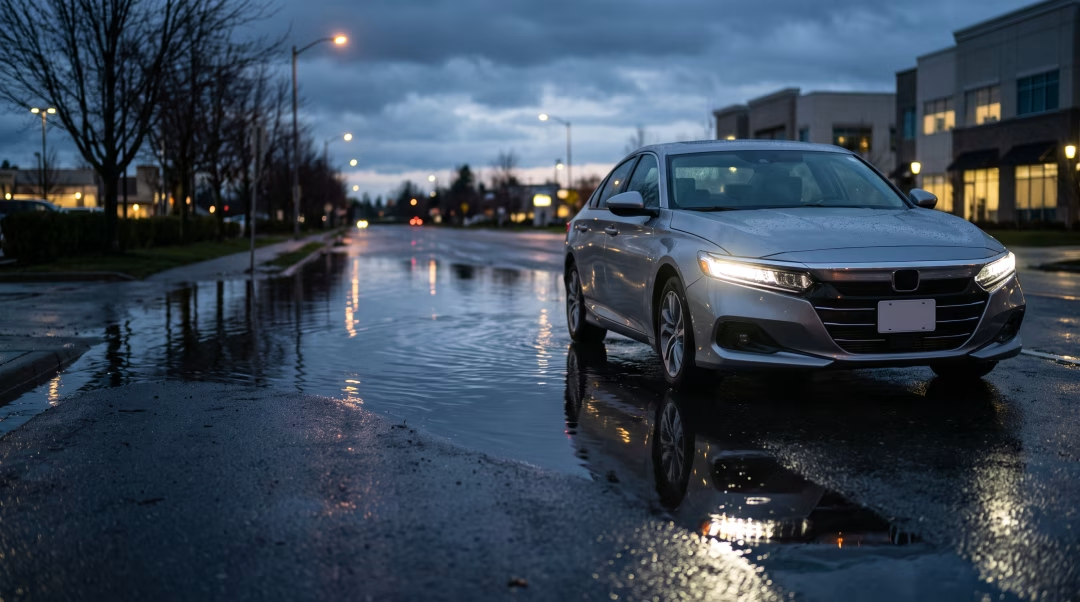
During heavy rainfall in Texas, streets can quickly become overwhelmed with water. What looks like a simple puddle could be a serious hazard. The murky water completely obscures your view of the road surface, meaning you have no idea what you are driving into. The road beneath could be eroded or completely washed away, creating a hole your vehicle could fall into. Additionally, the water can hide sharp debris like fallen branches, nails, or displaced manhole covers that can instantly puncture a tire or damage your undercarriage. In severe weather, there is also the risk of submerged, live power lines, creating an extremely dangerous electrical hazard. The old adage, "Turn Around, Don't Drown," is not just about personal safety; it is also about protecting your automotive investment from dangers you cannot see.
Catastrophic Mechanical and Electrical Failure
The most immediate and severe threat to your vehicle when driving through water is mechanical damage, specifically to the engine. Your car's engine uses an air intake system, often located low in the engine bay, to breathe. If water is sucked into this intake, it gets pulled directly into the cylinders. Unlike the air and fuel mixture it is designed for, water does not compress. When the piston travels upward to compress what it thinks is air, it meets the incompressible water and stops dead. This violent event, known as hydrolock, can bend piston rods, crack the engine block, and destroy your engine in a fraction of a second. This is not a simple repair; it almost always requires a complete engine replacement.
Beyond the engine, your vehicle's complex electrical system is highly vulnerable. Modern cars are rolling computers, with dozens of electronic control units (ECUs), sensors, and miles of wiring controlling everything from the transmission to the airbags. While these components are designed to be water-resistant, they are not waterproof, especially against the pressure of being submerged. Water can seep into connectors, short-circuiting critical systems and causing a cascade of failures. These issues are notoriously difficult to diagnose and can lead to recurring problems long after the car has dried out. If you suspect your vehicle has suffered this kind of damage, it may be time to get an estimate of its current worth on our value my trade page.
Long-Term Damage: The Problems That Emerge Later
Even if your car makes it through a flooded patch and seems fine initially, the damage may have already been done. Water can cause long-term problems that appear weeks or months later.
- Contaminated Fluids: Your transmission, differentials, and power steering systems all have vents to allow for heat expansion. If these components are submerged, water can seep in through these vents, contaminating the vital fluids. Water-logged oil and transmission fluid lose their lubricating properties, leading to accelerated wear and eventual failure of gears and internal parts.
- Rust and Corrosion: Water initiates and accelerates the rusting process on any unprotected metal surface. This includes the vehicle's frame, suspension components, brake lines, and exhaust system. This corrosion compromises the structural integrity of the car, making it less safe in an accident and leading to costly repairs down the line.
- Brake System Damage: While brakes are designed to work in the wet, submerging them can wash away essential grease from calipers and other moving parts. This can cause them to seize up over time. Furthermore, water can get trapped in the brake rotors and pads, reducing their effectiveness when you need them most.
- Interior Ruin: If water reaches the cabin, it soaks into the carpets, seat padding, and sound-deadening material. This environment is a perfect breeding ground for mold and mildew, which can cause unpleasant odors and pose a health risk to you and your passengers. Properly remediating a flooded interior is an extensive and expensive process that often requires stripping the cabin completely.
How to Spot a Flood-Damaged Vehicle
Unfortunately, some vehicles that have been through floods are superficially cleaned up and put back on the market. Being able to spot a flood-damaged car is a crucial skill when shopping for a used vehicle. Look for a musty or mildewy smell inside the cabin, which is difficult to cover up. Check for signs of moisture, silt, or rust in places where they should not be, like under the dashboard, in the glove compartment, or around the seat mounting bolts. Mismatched or brand-new carpeting in an older car can also be a red flag. Always run a vehicle history report, which may indicate a salvage title due to flood damage. The safest option is to purchase from a reputable source that thoroughly inspects every vehicle. You can browse our carefully vetted used inventory to find a reliable vehicle you can trust. If your car has been totaled in a flood, you may find yourself in an emergency car replacement situation, and our team is here to help.
Frequently Asked Questions About Driving Through Water
How deep does water have to be to damage a car?
It takes surprisingly little water to cause significant damage. As little as four to six inches of standing water can be enough to splash up into the engine's air intake or exhaust, potentially leading to stalling or hydrolock. Just one foot of moving water is often powerful enough to float a small car and sweep it away, while two feet can move most SUVs and trucks. It is always safest to assume any standing water is too deep to cross.
What is engine hydrolock?
Engine hydrolock, or hydrostatic lock, is a catastrophic mechanical failure that occurs when water enters an engine's combustion chamber. Engines are designed to compress a mixture of air and fuel, which is a gas. Water is a liquid and cannot be compressed. When a piston attempts to complete its compression stroke with water in the cylinder, the immense force has nowhere to go. This can cause pistons to break, connecting rods to bend or snap, and even crack the engine block itself, effectively destroying the engine.
Can flood damage be fully repaired?
While some flood damage can be repaired, it is often impossible to restore the vehicle to its pre-flood condition, especially if the water was deep or contaminated. The biggest challenges are hidden electrical problems and persistent mold. Corrosion can begin in unseen areas of the frame and body. Because of these lingering issues, insurance companies will often declare a flood-damaged vehicle a total loss. Even after repairs, the vehicle's history will likely carry a branded or salvage title, severely reducing its resale value.
Will my car insurance cover damage from driving through a flood?
Coverage for flood damage depends on your specific insurance policy. Generally, this type of damage is covered only if you have comprehensive coverage, which is optional unless required by a lender for a financed vehicle. Liability-only policies will not cover damage to your own car from a flood. It is important to review your policy or speak with your insurance agent to understand your specific coverage before an incident occurs.
What are the first signs of flood damage in a used car?
When inspecting a used car, use your senses. A persistent musty, moldy, or chemical smell (from strong cleaners) is a major red flag. Look for visual signs like silt or sand residue under the carpets, in the trunk, or in the engine bay. Check for rust on unpainted metal surfaces under the dashboard or on seat springs. Test all electronics thoroughly, as water can cause intermittent failures. Mismatched or unusually new upholstery or carpet in an older car could also indicate an attempt to hide flood damage.
