

How to Keep Your Car Cool
While Parked in the Dallas Summer
The Dallas summer sun is relentless, transforming a parked car into a sweltering oven in a matter of minutes. Interior temperatures can soar to dangerous and damaging levels, making your steering wheel too hot to touch and putting stress on your dashboard, upholstery, and electronics. Beyond the immediate discomfort, this intense heat can cause long-term harm, leading to faded fabrics, cracked vinyl, and a diminished vehicle value. Fortunately, you are not powerless against the Texas heat. By adopting a few simple yet effective strategies, you can significantly reduce the interior temperature of your vehicle while it is parked. These techniques will not only make your return to the car more pleasant but also help preserve its condition and integrity for years to come. Protecting your investment starts with understanding how to combat the elements, and our team is here to help with practical advice you can use every day. You can find more helpful articles on our blog.
Implementing these cooling strategies does more than just provide a more comfortable cabin. Consistently protecting your vehicle from the sun's harsh rays helps maintain the materials inside, from the dashboard to the seats. This preservation effort can play a significant role when it comes time to sell or trade in your vehicle. A well-kept interior is a key factor in its resale value. To see how your current vehicle's condition might affect its worth, you can easily value your trade with our online tool.
Smart Parking Strategies to Beat the Texas Heat
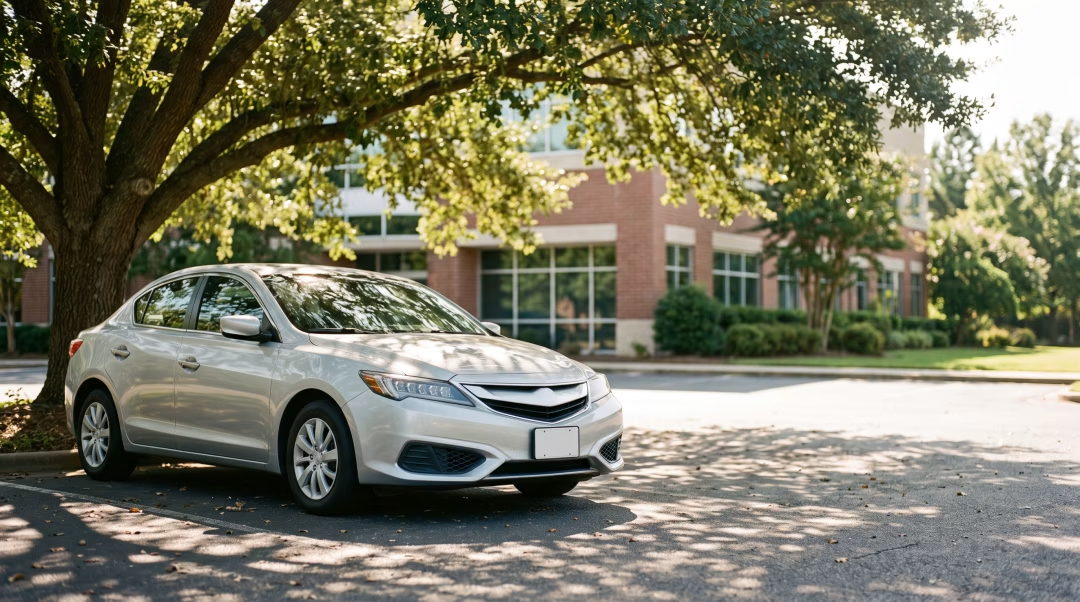
Your first and most effective tool against the sun is choosing where you park. While it seems obvious, the search for shade is paramount. A covered parking garage is the gold standard, offering complete protection from direct sunlight. If a garage is not available, look for natural shade from large trees or buildings. Be mindful of the time of day and the sun's path across the sky. A spot that is shady in the morning might be in direct sun by the afternoon. If you have to park in an uncovered lot, try to orient your vehicle so that the sun is hitting the rear window rather than the large front windshield, which will minimize the greenhouse effect inside the cabin.
Using Physical Barriers: Your First Line of Defense
Physical barriers are essential for reflecting sunlight and heat away from your car's interior. They are a simple and affordable way to make a massive difference in cabin temperature. Consider adding these items to your summer car care toolkit:
- Windshield Sunshade: A reflective, custom-fit sunshade for your front windshield is perhaps the most crucial accessory. It blocks a significant amount of solar radiation from entering through the largest piece of glass, preventing the dashboard and steering wheel from becoming scorching hot.
- Side Window Shades: Extend the protection to your side and rear windows with mesh or reflective shades. These are especially useful for protecting children in the back seat and preserving your car's upholstery from fading.
- Steering Wheel Cover: A simple fabric or light-colored steering wheel cover can prevent that initial searing pain when you first grip the wheel. You can even place a small towel over it when you park.
- Seat Covers: If your car has dark upholstery or leather seats, you know how hot they can get. Light-colored, breathable fabric seat covers can keep the seat surface temperature much cooler. You can learn more about the debate between leather vs cloth seats for Texas summers on our research page.
Ventilation and Air Circulation Tricks
Trapped hot air is what makes a car's interior so unbearable. Allowing that air to escape is key. If you are parked in a safe, secure area, cracking the windows by about an inch creates a path for hot air to vent out, preventing the extreme temperature buildup. Never do this in an unsecure location or if rain is in the forecast. For a more active solution, some drivers use small, solar-powered fans that clip onto a window to constantly circulate air. When you return to your hot car, you can quickly flush out the superheated air by opening the passenger-side front window all the way, then opening and closing the driver's side door five or six times. This motion acts like a bellows, pushing the hot air out and drawing cooler ambient air in.
Long-Term Interior Protection from Sun Damage
Beyond immediate temperature control, it is important to think about long-term protection. The sun's ultraviolet (UV) rays are responsible for the fading, drying, and cracking of your car's interior surfaces. Regularly apply a quality UV-protectant conditioner to your dashboard, vinyl door panels, and leather seats. This creates a barrier that shields the materials from harmful rays, keeping them supple and preventing discoloration. For maximum protection, consider professional window tinting. Modern ceramic tints are incredibly effective at blocking both UV and infrared (heat) rays without significantly darkening your windows. Be sure to familiarize yourself with the window tint laws in Texas to stay compliant.
The Hidden Factor: Your Car's Cooling System Health
While the tips above help keep your car cool while parked, the health of your vehicle's systems plays a huge role in how quickly it cools down once you start driving. Your car's battery and air conditioning system work much harder in extreme heat. A weak battery can fail unexpectedly, and a struggling A/C system will take much longer to produce cold air. Before the summer heat peaks, it is wise to have your A/C system checked for proper refrigerant levels and your battery tested. An efficient air conditioner is a necessity for any Dallas commuter. Before you decide on your next vehicle, it's a good idea to learn how to test a used car's air conditioning. The extreme heat can also impact your battery, so understanding how summer heat affects your car battery can save you from being stranded.
What Not to Leave in a Hot Car
Finally, a crucial safety reminder: never leave certain items in a hot car. The high temperatures can cause them to melt, warp, or even explode. This includes aerosol cans (hairspray, deodorant, spray paint), lighters, plastic water bottles (which can leach chemicals), and electronics like smartphones and laptops, whose batteries can be permanently damaged by the heat. Most importantly, never, ever leave children or pets unattended in a vehicle, not even for a minute. The interior temperature can rise by 20 degrees in just 10 minutes, creating a life-threatening situation.
Frequently Asked Questions About Keeping a Car Cool
How much can a sunshade lower my car's interior temperature?
Studies have shown that a quality reflective sunshade can lower the interior temperature of a car by as much as 30 to 40 degrees Fahrenheit compared to a car without one. It makes a significant difference in both comfort and the preservation of your dashboard.
Is it safe to leave my windows cracked open in Dallas?
Leaving windows slightly cracked can help vent hot air, but it should only be done in a secure and safe location, like a private garage or a monitored parking lot. It also makes your vehicle vulnerable to sudden rainstorms, which are common in North Texas summers. Assess the risk before cracking your windows.
Does the color of my car really make a difference in the heat?
Yes, it does. Dark-colored vehicles, especially black ones, absorb more light and heat energy from the sun, resulting in a hotter exterior and interior. Lighter colors like white, silver, and beige reflect more sunlight, which can keep the cabin several degrees cooler than a comparable dark-colored car.
Will the Dallas heat damage my car's battery?
Absolutely. Extreme heat is actually harder on a car battery than extreme cold. High temperatures can cause the fluid inside the battery to evaporate, leading to internal damage and a shorter lifespan. It is one of the leading causes of battery failure in Texas.
Are ceramic window tints better than regular tints for heat reduction?
Yes, significantly. While standard dyed tints primarily block visible light, ceramic tints are engineered with non-metallic, ceramic particles that are highly effective at blocking infrared radiation, which is the part of the solar spectrum that we feel as heat. This means a ceramic tint can keep your car much cooler without needing to be extremely dark.
