

What to Do After Your
Car Is Damaged by Hail
When your vehicle sustains hail damage, the immediate aftermath can feel overwhelming. The sound of ice pellets pounding your car often leaves behind a landscape of dents and dings, from minor cosmetic blemishes to significant structural impacts. Your first priority should always be safety – ensure no one is hurt and assess the immediate surroundings for any ongoing hazards. Once the storm has fully passed, taking swift, informed action can make a substantial difference in the repair process and your vehicle's future. Understanding the initial steps, from accurately documenting the damage to navigating potential insurance claims, is key to restoring your peace of mind and your car's condition. Whether you plan to repair, sell, or consider a different vehicle, having a clear plan helps manage this unexpected challenge effectively.
Faced with hail damage, you have options beyond just repair. For some, assessing the cost of repair against the vehicle's current market value may lead to considering a trade-in or sale. Our dealership understands these situations and can provide guidance on your vehicle's trade-in value, even with existing hail damage. We are here to help explore various possibilities, including finding a new-to-you vehicle from our extensive used inventory that fits your needs and budget. Reach out today for a consultation on your next steps.
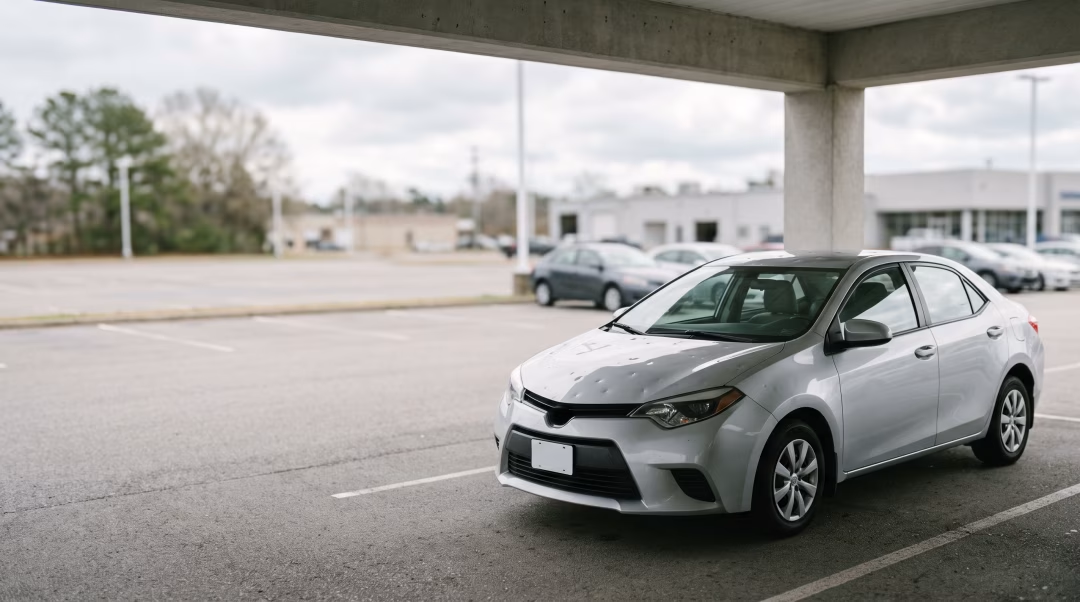
Immediate Steps After a Hailstorm
Experiencing a hailstorm can be startling, and discovering your car has sustained damage is certainly unwelcome. The moments immediately following the storm are crucial for your safety and for beginning the recovery process for your vehicle. First, ensure everyone is safe and out of harm’s way. Once the storm has completely passed and it is safe to do so, move your vehicle to a covered area if possible to prevent any further exposure to ongoing elements. Next, and perhaps most importantly, document everything.
Grab your phone or camera and take a comprehensive series of photographs and videos of your entire vehicle. Focus on close-ups of each dent, ding, and crack, as well as wider shots showing the overall condition of the car. Pay attention to all surfaces: the hood, roof, trunk, fenders, doors, and especially any glass components like the windshield, rear window, and side mirrors. This visual evidence will be invaluable when you communicate with your insurance provider. Note the date, time, and specific location where the hail damage occurred. While tempting to jump straight to contacting a repair shop, gathering this initial documentation is a foundational step that can streamline your entire claims process.
Understanding Your Vehicle's Hail Damage
Hail damage can manifest in various ways, from barely perceptible pockmarks to significant depressions and shattered glass. A thorough inspection helps you understand the extent of the damage before involving insurance or repair specialists.
- Exterior Body Panels: Walk around your car, paying close attention to the hood, roof, trunk lid, fenders, and doors. Smaller, scattered dents are common, but larger, deeper impacts can also occur, especially with larger hailstones. Look at the reflections on the paint; distortions often reveal subtle dents.
- Glass Components: Inspect your windshield, rear window, and side mirrors. Hail can cause chips, cracks, or even shatter glass, which poses an immediate safety risk. Even small chips can spread over time.
- Lights and Trim: Do not overlook headlights, taillights, turn signals, and any chrome or plastic trim. These components can crack or break, affecting both aesthetics and functionality.
A professional assessment is always recommended, but your initial review provides a good starting point for your discussions with repair shops or insurance adjusters. For insights into what to look for when spotting hail damage on a used car, our resources can be quite helpful.
Navigating the Insurance Claim Process
For most drivers, comprehensive insurance coverage is essential for protection against hail damage. This type of coverage helps pay for damage to your car from events other than collisions, such as theft, fire, falling objects, and natural disasters like hailstorms. If you have comprehensive coverage, filing a claim is your next logical step.
- When to File a Claim: Contact your insurance company as soon as you have documented the damage. Many policies have time limits for filing claims, so acting promptly is beneficial.
- Comprehensive Coverage and Deductibles: Your comprehensive policy will typically cover the cost of repairs, minus your deductible. Understand your policy's deductible amount, as this is the portion you will be responsible for paying out of pocket.
- Getting Damage Appraised: Your insurer will likely send an adjuster to assess the damage or ask you to take your vehicle to an approved repair facility for an estimate. It is wise to get at least two estimates from reputable body shops to help ensure a fair assessment of the repair costs. Be prepared with your documentation from the initial inspection.
Remember, filing a hail damage claim under your comprehensive coverage is generally not considered an "at-fault" incident, so it is unlikely to directly impact your insurance premiums in the same way a collision claim might. For more information on navigating claims, check out our guide on filing a car insurance claim.
Common Hail Damage Repair Methods
The approach to repairing hail damage depends heavily on the severity and location of the dents. Modern automotive repair offers several effective techniques to restore your vehicle's appearance.
- Paintless Dent Repair (PDR): This is often the preferred method for minor to moderate hail damage where the paint surface remains intact. PDR technicians use specialized tools to meticulously massage and push the dents out from the underside of the panel, restoring its original shape without the need for sanding, body filler, or repainting. This method saves time and maintains the factory finish of your vehicle, often preserving its value. Learn more about PDR and its impact on value.
- Traditional Body Repair: For deeper dents, creases, or areas where the paint has been chipped or cracked, traditional bodywork may be necessary. This involves filling the damaged area with body filler, sanding it smooth, and then repainting the affected panel to match the rest of the vehicle. This method is more labor-intensive and can be more costly, but it is effective for severe damage.
- Windshield and Glass Replacement: If your windshield or other glass is cracked or shattered, replacement is typically the only safe option. Even small chips in your line of sight can compromise safety. Most insurance policies cover glass replacement with little to no deductible, depending on your specific coverage.
- Roof Replacement: In cases of extremely severe hail damage, particularly to the roof, repair might involve replacing the entire roof panel. This is a significant repair that would be assessed by your insurance company.
Choosing the right repair method, and a reputable repair shop, is vital for restoring your vehicle. Always seek out certified technicians who specialize in hail damage repair.
The Concept of Diminished Value
Even after a professional repair, a vehicle that has sustained significant storm damage, such as from hail, may experience a loss in market value compared to an identical vehicle that has never been damaged. This phenomenon is known as "diminished value." While your car might look perfect after repairs, its vehicle history report will often show that it was involved in an incident, which can deter potential buyers or lead to a lower resale price. It is a tangible financial impact that many owners overlook.
In some instances, you may be able to pursue a diminished value claim with your insurance company. This type of claim seeks compensation for the difference in value before and after the damage and subsequent repair. The success of a diminished value claim can depend on your policy, the state's regulations, and the severity of the original damage. It often requires independent appraisal to establish the loss. Discussing this possibility with your insurance adjuster and potentially seeking legal advice can clarify your options.
Deciding Your Next Steps: Repair, Sell, or Trade?
Once you have a clear understanding of the hail damage and potential repair costs, you face a critical decision: repair your vehicle, sell it as is, or trade it in. Each option has its own set of considerations.
- Should You Repair the Damage?: If the repair costs are less than the vehicle's actual cash value and you plan to keep the car for a while, repairing it is often the most straightforward choice. Modern repair techniques can make your car look almost new again, maintaining your investment. If your car is financed, your lender may require repairs to help protect their asset. For significant damage, especially if the repair cost approaches or exceeds the vehicle's market value, your insurer might declare it a "total loss." In this scenario, they will pay you the actual cash value of the vehicle, and you may then need to consider purchasing a new or used car. If your car is totaled and you have a loan, GAP insurance can be vital.
- Selling a Hail-Damaged Car: Some owners choose to sell their hail-damaged vehicle rather than repair it, especially if the damage is extensive or they were already considering an upgrade. Selling "as-is" privately can be challenging, as buyers will factor in the cost of repairs and the diminished value. You might also encounter difficulties getting a fair price. Dealerships, on the other hand, often have the resources to purchase damaged vehicles and handle the repairs in-house, making the process simpler for you.
- Trading In a Hail-Damaged Vehicle: Trading your hail-damaged car to a dealership is another practical option. While the damage will naturally impact the trade-in value, many dealerships are equipped to accept such vehicles. They might have a network for repairs or a market for vehicles that can be restored. This can simplify the transition to a new vehicle, reducing the hassle of private sale and potentially offering a convenient way to apply your car's value directly toward your next purchase from our inventory of quality used vehicles. We welcome you to start the pre-qualification process or visit our financing area to learn more about your options.
Making an informed choice requires careful consideration of your financial situation, your vehicle's condition, and your future automotive needs. Our team is always ready to discuss your unique circumstances and help you explore the best path forward.
Preventing Future Hail Damage
While you cannot control the weather, you can take proactive steps to help protect your vehicle from future hail damage. Awareness and preparedness are your best defenses:
- Monitor Weather Forecasts: Pay close attention to local weather reports, especially during severe weather seasons. Many apps and services provide real-time severe weather alerts.
- Seek Covered Parking: Whenever possible, park your vehicle in a garage, carport, or under a substantial overhang. This is the most effective way to prevent hail impact.
- Use Hail Protection Covers: If covered parking is not available, consider investing in a padded car cover designed to withstand hail. These covers can offer a good level of protection against smaller hailstones.
- Temporary Protection: In an emergency, if hail is imminent and you have no other options, you can use heavy blankets, comforters, or floor mats to cover your car's most vulnerable areas, like the hood, roof, and trunk.
Taking these precautions can significantly reduce the risk and severity of hail damage, saving you from future repairs and potential diminished value concerns.
Helpful Resources and Next Steps
Dealing with hail damage can be a complex process, but you do not have to navigate it alone. Our team is here to support you with information and options. Whether you are looking for advice on financing a replacement vehicle, exploring your trade-in possibilities, or browsing our current selection of quality used cars, we are ready to assist. Visit our homepage for more information, or stop by one of our locations to speak with a staff member.
Frequently Asked Questions About Hail Damage
Should I drive a car with hail damage?
Driving a car with hail damage depends on the severity. If only the body panels have dents, it is typically safe to drive. However, if the windshield or any other glass is cracked or shattered, or if lights are broken, it compromises visibility and safety, making it unsafe and potentially illegal to drive. Always assess the safety aspects before getting behind the wheel.
Will my insurance rates go up after a hail claim?
Generally, hail damage claims made under comprehensive insurance coverage are considered "acts of nature" and are typically not viewed as at-fault incidents. This means they are unlikely to directly cause an increase in your insurance premiums. However, your individual insurance history and provider's policies can influence outcomes.
Is paintless dent repair (PDR) always an option for hail damage?
Paintless Dent Repair (PDR) is an excellent option for many types of hail damage, especially when the paint remains intact and the dents are not too sharp or deep. It is not suitable if the paint is chipped, cracked, or if the metal is severely stretched. An experienced technician needs to assess the damage to determine if PDR is the right solution for your vehicle.
Can I sell or trade in a car with hail damage?
Yes, you can sell or trade in a car with hail damage. However, the damage will likely affect its market value. Private buyers often hesitate to purchase damaged vehicles, while dealerships, like ours, are often equipped to assess and acquire such vehicles, potentially simplifying your selling or trade-in process. We can help you understand the potential value of your trade-in, even with existing damage.
What happens if my car is declared a total loss due to hail?
If your car is declared a total loss, your insurance company will pay you the actual cash value of the vehicle, minus your deductible. This amount is what the car was worth immediately before the hail incident. You would then typically surrender the vehicle's title to the insurance company. If you have a loan on the vehicle, the insurance payout will go towards satisfying that loan. If the payout is less than your outstanding loan balance, GAP insurance could help cover the difference.
How long does it take to repair hail damage?
The repair timeline for hail damage can vary significantly based on the extent of the damage, the repair method chosen, and the repair shop's schedule. Minor PDR jobs might take a day or two, while extensive damage requiring traditional bodywork and repainting could take weeks. Your repair facility should provide an estimated timeframe after their assessment.
