

What Lowers Your Car's
Trade-In Value the Most?
Understanding your car's trade-in value is a critical step toward purchasing your next vehicle. When you are ready to upgrade, the amount you receive for your current car can significantly impact your down payment and overall financing. Many factors influence this appraisal, from obvious issues like mechanical problems to more subtle details like color and aftermarket modifications. Knowing what appraisers look for can help you set realistic expectations and even take small steps to maximize your offer. Before you use our online tool to value my trade, it is helpful to have a clear picture of what lowers a vehicle's worth the most. This knowledge empowers you to make informed decisions, whether you decide to make minor repairs or trade your vehicle in as-is. Our goal is to provide a transparent and fair appraisal process, helping you transition smoothly into a quality vehicle from our used inventory.
The journey to a new-to-you car begins with understanding the value of the one you have now. While some factors like mileage are out of your control, others, such as cleanliness and having your paperwork in order, can make a positive difference. A vehicle's history, condition, and current market demand all play a part in its final valuation. Being prepared with this information will help you navigate the trade-in process with confidence. Explore the detailed factors below to see what appraisers focus on most.
The Major Factors That Impact Your Vehicle's Appraisal
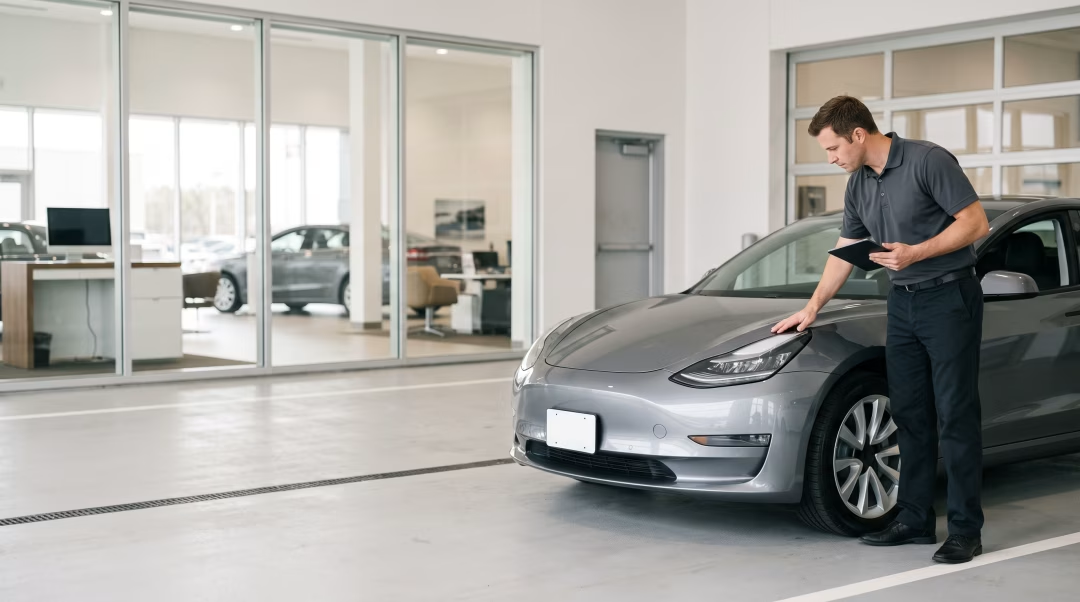
When our appraisal team assesses a vehicle, they conduct a comprehensive evaluation to determine its current market value. This is not just a quick glance; it is a detailed process that considers dozens of data points. While every car is unique, certain issues consistently have the largest negative impact on a trade-in offer. Understanding these key areas can demystify the appraisal process and help you see your vehicle from a dealer's perspective.
Mechanical Condition and Warning Lights
The single most significant factor that can lower your trade-in value is the mechanical health of your vehicle. A car that runs poorly or has major components failing represents a significant liability and expense for the dealership. When an appraiser starts the engine, they are listening for unusual noises, feeling for vibrations, and checking for smoke from the exhaust.
One of the first things an appraiser will notice is a dashboard lit up with warning lights. The "Check Engine" light is particularly concerning, as it can indicate anything from a loose gas cap to a critical transmission failure. Resolving these issues requires diagnostic time and potentially costly repairs, which are immediately factored into the appraisal. If you are wondering is it safe to drive with check engine light on, the answer is often no, and it is a clear signal to a dealer that investment is needed. Other serious mechanical red flags include:
- Transmission problems, such as slipping gears or rough shifting.
- Engine issues like knocking, overheating, or visible oil leaks.
- Brake system failures, including grinding noises or a soft brake pedal.
- Suspension problems that cause a bouncy or unstable ride.
Any of these issues will require a professional mechanic to diagnose and repair before the vehicle can be re-sold, and the potential cost of these repairs will be deducted from your trade-in offer.
Accident History and Title Brands
A vehicle's history is a permanent part of its record. Thanks to services like CarFax and AutoCheck, any reported accidents, flood damage, or title issues are easily accessible. A significant collision, especially one that resulted in structural or frame damage, will drastically reduce a car's value. Even if the repairs were done perfectly, the vehicle now has a diminished value in the eyes of future buyers. Consumers are wary of vehicles with accident histories, making them harder for a dealership to sell.
Even more damaging is a branded title. A "salvage" or "rebuilt" title indicates the vehicle was once declared a total loss by an insurance company. While it may have been repaired and deemed roadworthy, its value is permanently and significantly reduced. Many lenders will not provide financing for a vehicle with a branded title, and many dealerships will not accept them on trade at all. If you are asking, can you trade in car with salvage title in Texas, the answer is complex and the value will be far lower than a comparable vehicle with a clean title.
High Mileage and Excessive Wear
Mileage is a straightforward indicator of a vehicle's use and potential for future problems. The higher the mileage, the more wear and tear its components have endured. While modern cars are built to last longer than ever, a vehicle with 150,000 miles will naturally be worth less than the same model with 50,000 miles. The national average is about 12,000 to 15,000 miles per year. If your vehicle's mileage is significantly higher than the average for its age, its value will be adjusted downward.
Beyond the number on the odometer, an appraiser looks for signs of excessive wear that do not align with the mileage. This includes things like heavily worn pedals, a frayed steering wheel, or a driver's seat that is torn and compressed. These items suggest the car has had a hard life, which can affect its overall appeal and durability.
Cosmetic and Interior Condition
First impressions matter. A vehicle's exterior and interior appearance play a huge role in its perceived value. While a dealer can recondition a car, the cost of doing so is factored into your trade-in offer. Major cosmetic flaws will result in the largest deductions.
- Exterior Damage: Large dents, deep scratches, peeling paint, and rust are all expensive to fix correctly. Widespread hail damage is another major issue that can severely lower value.
- Tires and Glass: Mismatched or bald tires will need immediate replacement. A cracked or chipped windshield is a safety issue that must be addressed.
- Interior Stains and Odors: Heavy stains on the seats or carpet, rips or tears in the upholstery, and especially strong odors like smoke or pets are major turn-offs for potential buyers. Removing smoke odor, in particular, can be a very intensive and expensive process.
- Broken Features: A non-working air conditioner, broken power windows, or a malfunctioning radio all contribute to a lower offer, as they must be repaired for the next owner.
Aftermarket Modifications
While you may have customized your vehicle to your personal taste, many aftermarket modifications can hurt its trade-in value. The reason is simple: they narrow the pool of potential buyers. A stock vehicle appeals to the widest possible audience. Extreme modifications like loud exhausts, significant suspension lifts or drops, oversized wheels, or custom paint jobs can make a car very difficult to sell. In many cases, a dealership will have to spend money to return the vehicle to its original factory specifications. If you have made modifications, it is often best to restore the car to stock before trading it in, if possible. For more information on financing a vehicle, you can visit our financing area.
Frequently Asked Questions About Trade-In Value
Should you fix your car before trading it in?
It depends on the repair. For major mechanical issues, the cost of the repair will likely be more than the value it adds. However, for small cosmetic fixes or a deep interior and exterior cleaning, the small investment can improve the first impression and potentially increase your offer. You can learn more by reading our article on if you should you fix your car before trading it in.
Can you trade in a car with a check engine light on?
Yes, you can absolutely trade in a car with the check engine light on. However, you should expect the trade-in offer to be lower. The dealer must assume a potentially costly repair is needed to diagnose and fix the unknown issue, and they will adjust the appraisal value accordingly to account for that risk and expense.
Does a messy car affect the trade-in value?
Yes, it can. While an appraiser can see past some clutter, a very dirty car can give the impression that it has been neglected mechanically as well. Furthermore, a dirty car can hide scratches, stains, and other cosmetic defects. Taking the time to clean your car thoroughly inside and out shows pride of ownership and allows the appraiser to see its true condition.
How much does high mileage lower trade-in value?
There is no exact formula, as mileage affects different vehicles differently. In general, value decreases with every mile, but the drop becomes more significant after passing major milestones like 100,000 or 150,000 miles. A vehicle's make, model, and maintenance history also play a large role in how much high mileage impacts its value.
Can you trade in a car you still owe money on?
Yes, this is a very common situation. The dealership will appraise your vehicle, contact your lender for the payoff amount, and handle all the paperwork. If your trade-in is worth more than the payoff, that positive equity is applied to your new purchase. If you owe more than it is worth (negative equity), that amount may be rolled into your new financing package, depending on the lender's guidelines.
