
What to Look For Under
the Hood of a Used Car
Popping the hood is one of the most important steps when you are shopping for a pre-owned vehicle. While a clean exterior can be appealing, the engine bay is where you will find the real story of a car's history and how well it has been maintained. You do not need to be a certified mechanic to perform a basic but thorough under-the-hood inspection. Looking for a few key indicators can reveal potential problems, signs of neglect, or evidence of recent repairs. This initial check can help you identify a reliable vehicle and avoid one that might lead to costly issues down the road. Taking just a few minutes to examine the engine, fluids, belts, and hoses can give you valuable insight and peace of mind, empowering you to make a more informed purchasing decision. This guide will walk you through exactly what to look for.
Feeling confident about inspecting a used car is the first step toward finding the perfect vehicle for your needs and budget. The simple checks outlined here are designed to be performed by anyone, regardless of their mechanical experience. By paying attention to these details, you can better understand the condition of any vehicle in our used inventory. Remember, a well-maintained engine bay is often a sign of a well-cared-for car. Now, let us dive into the specifics of your under-hood inspection.
Your Comprehensive Guide to an Under-the-Hood Inspection
Venturing under the hood of a used car can feel intimidating, but it is a critical part of the buying process that reveals more than a simple test drive ever could. The engine compartment holds the heart of the vehicle, and its condition is a direct reflection of its past. A careful visual and sensory inspection can uncover hidden issues, confirm a history of good maintenance, or raise red flags that warrant further investigation. This detailed checklist will empower you to assess a vehicle's mechanical health with confidence.
The First Glance: A General Overview
Before you focus on individual components, take a moment for a general assessment. Does the engine bay look excessively dirty, caked in grease and grime, or filled with leaves and debris? This can be a sign of long-term neglect. Conversely, be cautious if the engine bay looks like it was just pressure washed and is sparkling clean. While it could mean the dealer is meticulous, it could also be an attempt to hide recent fluid leaks. A normal, well-maintained engine will have a light layer of dust but should be generally free of caked-on oil, grime, and debris. Look for any obviously loose or dangling wires and check for signs of rodents, such as chewed wiring or nesting materials.
The Lifeblood of the Engine: Checking the Fluids
A vehicle's fluids are like its circulatory system. Their condition and levels are crucial indicators of health. For these checks, the car should be on level ground. Most fluids should be checked when the engine is cool, but some, like automatic transmission fluid, often require the engine to be warm and running. Always consult the dipstick or reservoir cap for specific instructions.
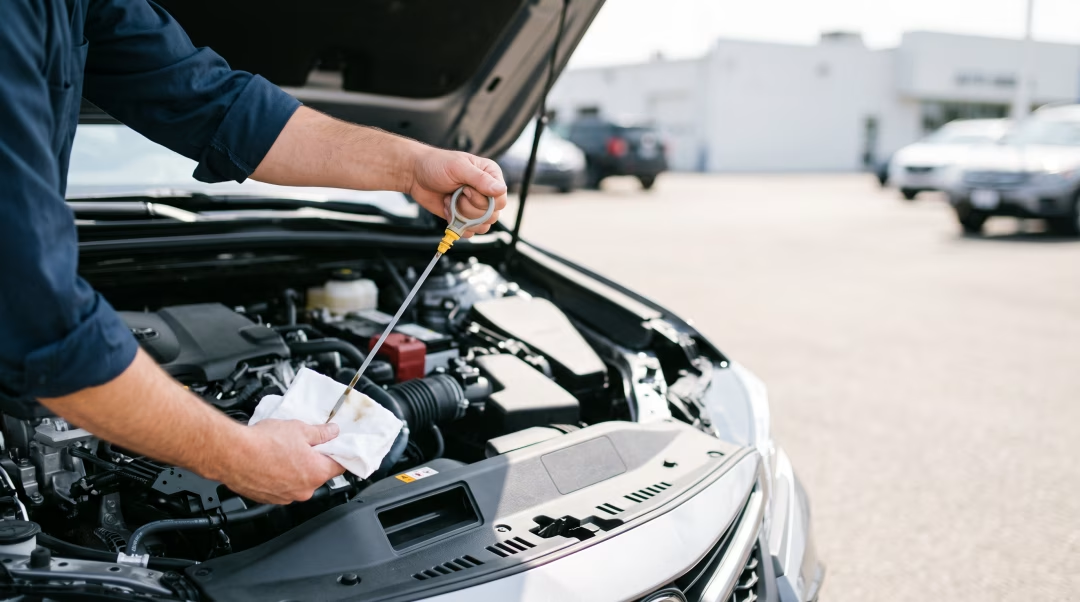
- Engine Oil: Pull the dipstick, wipe it clean with a rag, reinsert it fully, and pull it out again. The oil level should be between the 'Full' and 'Add' marks. The color should be a translucent amber or brown. If it is black, thick, and gritty, the oil is overdue for a change. If it looks milky or frothy, like coffee with creamer, this is a major red flag indicating that coolant might be mixing with the oil, a sign of a potentially catastrophic head gasket failure.
- Transmission Fluid: For many automatic transmissions, this is checked with the engine warm and running. The dipstick is often red or yellow. The fluid should be bright red or pinkish and translucent. If it is dark brown, black, or smells burnt, it suggests internal transmission problems or severe neglect.
- Coolant (Antifreeze): Do not open the radiator cap when the engine is hot. Instead, check the level in the translucent plastic overflow reservoir. The level should be between the 'Min' and 'Max' lines. The color should be vibrant (often green, orange, or pink), not rusty, brown, or oily. An oily film on top of the coolant is another sign of a possible head gasket issue.
- Brake Fluid: This is typically in a small, semi-clear reservoir on the driver's side. The fluid should be a light golden-brown color. If it is dark brown or black, it is old and contaminated, which can affect braking performance.
Inspecting Belts and Hoses
The rubber components in an engine bay are subject to extreme heat and wear over time. Replacing them can be inexpensive, but a failure can cause major damage. Carefully inspect all visible belts and hoses.
The main engine belt (often a serpentine belt) drives accessories like the alternator, power steering pump, and A/C compressor. Look for cracks, fraying, missing chunks, or a glossy appearance, which indicates it is old and worn. Hoses, especially the large upper and lower radiator hoses, should be firm but pliable. Squeeze them (when the engine is cool). If they feel rock hard, mushy, soft, or sticky, they are deteriorating from the inside out and need replacement. Also, check the connection points for any signs of leaking or crusty coolant residue.
Battery and Electrical Connections
The battery is essential for starting the car and powering its electronics. Look at the battery terminals where the cables connect. A heavy buildup of fuzzy, white, or blue-green corrosion indicates a poor connection or a leaking battery. Check for a date sticker on the battery; most car batteries last 3-5 years, especially in the Texas heat. If the battery is older than that, you will likely need to budget for a replacement soon. Also, ensure the battery is securely fastened in its tray and does not move around. You can learn more by reading about how to check a used car's battery before buying.
Searching for Leaks and Seepage
Leaks are one of the most common issues with used vehicles. With a flashlight, carefully inspect the engine block, the valve cover gasket (around the top of the engine), the oil pan gasket (underneath), and around all the hoses. Look for wet spots, drips, or areas where dirt and grime have collected on an oily film. Different fluid colors can point to the source of the leak. Black or dark brown is likely engine oil. Reddish fluid could be transmission or power steering fluid. Green, orange, or pink usually indicates coolant. While minor seepage from an old gasket might not be a deal-breaker, active drips are a cause for concern. For more details, see our guide on how to check for oil leaks on a used car.
Check for Signs of Past Accidents
The under-hood area can also reveal evidence of previous collision damage. Look at the frame rails on either side of the engine bay. They should be perfectly straight and symmetrical. Any signs of wrinkling, bending, or non-factory welds suggest a significant front-end impact. Check the bolts that hold the fenders and hood in place. Are the paint on the bolt heads chipped or scratched? This often means the parts have been removed or replaced. Mismatched paint colors between the body and the core support (the structure holding the radiator) are another clear sign of repair work. If you suspect an issue, it is best to learn more about cars with a prior accident.
What does milky brown engine oil mean?
Milky, frothy, or coffee-colored engine oil is a serious red flag. It almost always means that coolant (antifreeze) is leaking into the oil system. This is most commonly caused by a blown head gasket, a cracked cylinder head, or a cracked engine block, all of which are extremely expensive repairs.
Is a little bit of rust under the hood normal?
Minor surface rust on untreated metal components like exhaust manifolds or bolt heads is generally normal and not a cause for concern, especially on older vehicles. However, you should be wary of significant, flaky rust on the frame rails, strut towers, or battery tray, as this can indicate structural weakness or water damage.
What if the engine bay is almost perfectly clean?
An exceptionally clean engine bay can be a double-edged sword. While it may indicate a meticulous owner, it is also a common tactic used to wash away evidence of recent fluid leaks, such as oil or coolant. Be extra vigilant in your search for leaks if the engine appears to have been recently detailed or steam cleaned.
Can I do these checks myself if I am not a mechanic?
Absolutely. All the checks described in this guide are visual and sensory inspections that do not require special tools or mechanical knowledge. The goal is to identify potential warning signs that can help you make a better decision or know what specific questions to ask. When in doubt, you can always arrange for a pre-purchase inspection by a trusted mechanic.
What is the most important single thing to check under the hood?
While every component is important, checking the engine oil is arguably the most critical step. The oil's level and condition tell you a great deal about the engine's internal health and the owner's maintenance habits. A low oil level or contaminated, milky oil can signal immediate and severe problems that should cause you to walk away from the vehicle.
