

What Routine Maintenance Does
Your Used Car Need?
Congratulations on your used car purchase! Owning a pre-owned vehicle is a smart financial decision, and the key to making that investment last is proactive, routine maintenance. Unlike a new car, your vehicle has a history, and establishing a consistent care schedule right away is the best way to ensure its reliability, safety, and performance for years to come. A little preventative attention goes a long way in avoiding unexpected, costly repairs. Following a simple maintenance plan not only protects your car but also provides invaluable peace of mind every time you get behind the wheel. It helps you understand your vehicle's health and budget for its future needs, turning your purchase into a long-term asset you can depend on.
Feeling overwhelmed? Do not be. Taking care of your car is more straightforward than you might think. This guide is designed to empower you with the knowledge to create a simple, effective maintenance routine. By understanding the basics of what your car needs and when, you can take control of its longevity and your automotive budget. A well-maintained car is a safer, more enjoyable, and more affordable car to own in the long run. Let’s dive into the essential checks and services that will keep your vehicle running smoothly.
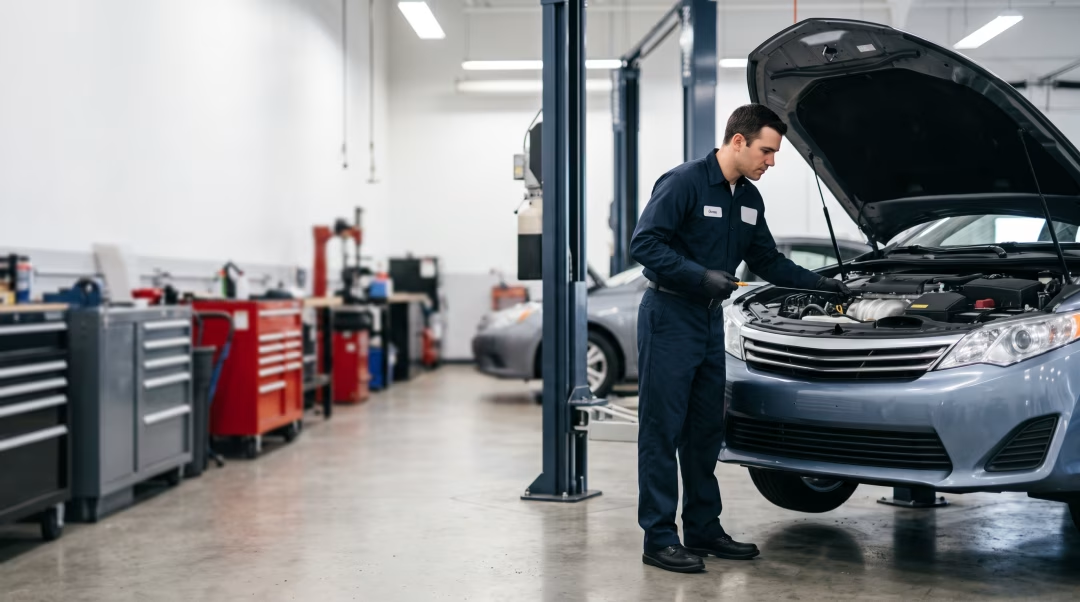
Your Essential Used Car Maintenance Checklist
When you bring home a used car, it’s a good idea to create a new "baseline" for its maintenance. Even with a detailed vehicle history report, starting fresh with your own records is a smart move. This checklist covers the most critical areas to inspect and service regularly to ensure your car remains a dependable partner on the road.
1. The Lifeblood: Fluids and Filters
Your car's fluids are essential for cooling, lubricating, and operating various systems. Keeping them clean and at the proper levels is arguably the most important aspect of vehicle maintenance.
- Engine Oil: This lubricates engine components, reduces friction, and helps carry away heat. Check the oil level using the dipstick every few weeks and change it according to your owner’s manual—typically every 5,000 to 7,500 miles. Especially consider how often you should change your oil in Texas heat, as extreme temperatures can break down oil faster.
- Transmission Fluid: This fluid lubricates and cools the transmission. If it is low or dirty, it can lead to shifting problems and severe damage. This is a sealed system in many modern cars, but it should be inspected by a professional for leaks or contamination.
- Coolant (Antifreeze): Coolant prevents your engine from overheating in the summer and freezing in the winter. Check the level in the overflow reservoir regularly. A coolant flush is typically recommended every 30,000 to 50,000 miles. This is critical to prevent your car from overheating in Dallas traffic.
- Brake Fluid: This hydraulic fluid is vital for your braking system. It can absorb moisture over time, which reduces its effectiveness. Have it checked for moisture content and changed every two to three years.
- Filters (Engine Air, Cabin Air, Fuel): The engine air filter keeps debris out of your engine, the cabin air filter cleans the air you breathe inside the car, and the fuel filter prevents contaminants from clogging your fuel system. These are inexpensive to replace and have a big impact on performance and comfort.
2. Stopping Power: Brakes
Your brakes are your vehicle's most important safety feature. Do not ignore any signs of trouble. During a test drive, you should always pay attention to how to check a used car's brakes. Listen for squealing or grinding noises, feel for vibrations or a "spongy" pedal, and notice if the car pulls to one side when braking. Have your brake pads and rotors inspected at every oil change to monitor their wear.
3. Rolling Right: Tires and Alignment
Proper tire care is crucial for safety, fuel efficiency, and ride comfort. Your tires are the only part of your car that touches the road, so they deserve regular attention.
- Tire Pressure: Check the pressure at least once a month using a quality gauge. The correct pressure is listed on a sticker inside the driver's door jamb, not on the tire itself. Proper inflation ensures even wear and optimal handling.
- Tread Depth: Use the "penny test" to check for wear. If you can see all of Lincoln's head when you insert a penny upside down into the tread, it is time for new tires.
- Rotation and Alignment: Rotating your tires every 5,000 to 7,500 miles promotes even wear and extends their life. An alignment, which adjusts the angles of your wheels, should be checked annually or if you notice the car pulling to one side. Knowing how often to rotate your tires in Texas helps you stay ahead of wear.
4. Power and Spark: Battery and Belts
The electrical system and the belts that drive key components are the heart of your vehicle's operation. The intense Texas heat is particularly hard on batteries, shortening their lifespan. Be aware of the signs your car battery is failing, such as slow engine cranking or dimming headlights at idle. Keep the battery terminals clean and have the battery tested annually once it is over three years old. At the same time, have a technician inspect the serpentine belt for cracks or fraying. If your car has a timing belt, it's crucial to know its replacement interval, as a failed timing belt can cause catastrophic engine damage.
5. Clear Vision: Wipers and Lights
Being able to see and be seen is fundamental to safe driving. Regularly walk around your car to check that all exterior lights—headlights, taillights, brake lights, and turn signals—are working. Replace burned-out bulbs immediately. Wiper blades degrade quickly in the sun and heat. If they leave streaks or make noise, replace them. It's a simple, inexpensive task that makes a huge difference in a sudden rainstorm.
Putting It All Together: Your Maintenance Schedule
The best way to stay on top of these tasks is to follow a schedule. Your vehicle's owner's manual is the ultimate guide, but you can also create a simple log in a notebook or a spreadsheet. Tracking your service history not only helps you remember what is due but also adds value if you decide to value your trade in the future. Knowing how to create a simple maintenance schedule for your used car is a skill that pays dividends. Part of this plan should involve understanding how to budget for car maintenance, setting aside a small amount each month to cover both routine services and potential repairs.
How soon after buying a used car should I have it serviced?
It is a great idea to have a trusted mechanic perform a full inspection and oil change within the first month of owning a used car. This establishes a maintenance baseline and can identify any small issues before they become larger problems.
Is it more expensive to maintain a used car than a new one?
Initially, a used car might require a few services to get it up to date, but over time, maintenance costs are not necessarily higher. While new cars have warranty coverage, they also have higher insurance and purchase costs. Consistent, preventative maintenance on a used car is the key to keeping long-term costs down.
What is the single most important maintenance task for a used car?
Regular oil and filter changes are the most critical service you can perform. Clean oil is essential for lubricating the engine, reducing heat and friction, and preventing premature wear on its many moving parts. It is a simple and relatively inexpensive service that provides the biggest return in engine longevity.
Can I perform some of this maintenance myself?
Absolutely. Many owners can learn to perform basic tasks like checking fluid levels, changing the engine and cabin air filters, replacing wiper blades, and checking tire pressure. This can save you money and help you become more familiar with your vehicle. For more complex jobs like brake or transmission service, it is best to consult a professional.
What are the consequences of skipping routine maintenance?
Skipping routine maintenance can lead to decreased fuel efficiency, poor performance, and reduced reliability. More importantly, it can cause small, inexpensive issues to escalate into major, costly repairs. Ultimately, neglecting maintenance shortens the lifespan of your vehicle and compromises its safety on the road.
